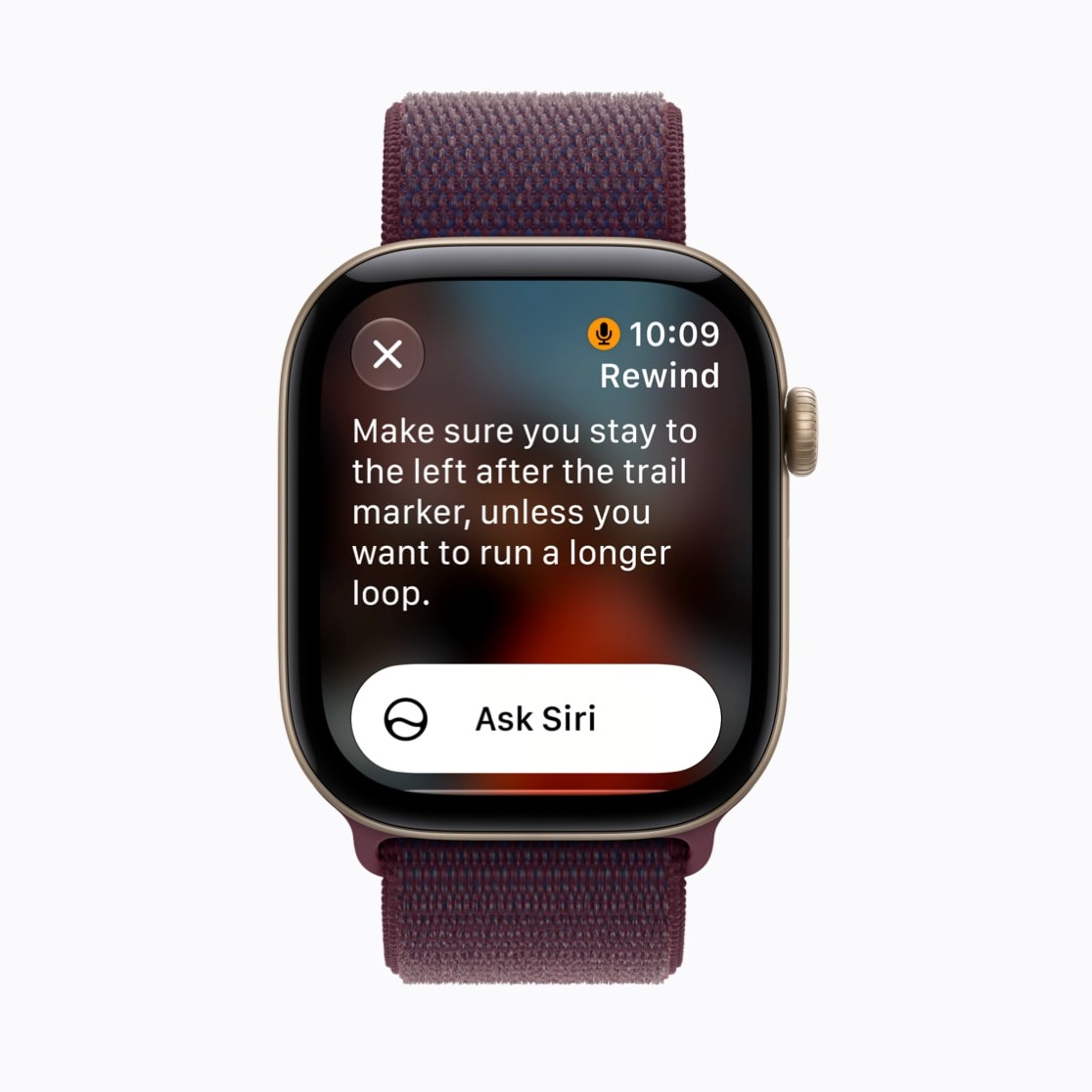
The pitch for the new wave of AI wearables is that they're private by design: they listen all day, turn your conversations into summaries, and never keep the audio. Lawyers say that last part might not save you — because many state wiretap laws don't care whether a recording exists. In CNBC's reporting, always-listening devices from Apple, Amazon, and Meta are colliding with eavesdropping statutes written decades before a wristwatch could take notes.
The hardware is shipping now. Apple's Siri Recap on the Watch Series 12 summarizes your conversations; Amazon's Bee Frontier and Eclipse, announced October 15, transcribe your whole day; Meta's camera glasses and pendants from Plaud, Pocket, and Friend do versions of the same thing. Continuous listening, real-time interpretation, no stored audio file.
That architecture was supposed to be the privacy answer. But twelve states, including California, Florida, and Illinois, require all-party consent before a private conversation is recorded — and the lawyers CNBC spoke to say the statutes reach further than recordings. Privacy attorney Colin Zick of Foley Hoag pointed to Massachusetts, where an "intercepting device" includes anything capable of "transmitting, receiving, amplifying, or recording" a communication, and "contents" can mean its substance, not just a file.
Daniel Pi, a law professor at the University of New Hampshire, went further: he said the state's law covers the "aural or other acquisition" of a communication's contents, which would already reach the Apple Watch's audio features — meaning a wearer could theoretically face civil or criminal liability for using Siri Recap without everyone's consent. Both men stressed the practical risk of prosecution is low. The mismatch is the story: 1960s laws written for bugging gear, applied to features people switch on deliberately.
Here's the twist that should worry the industry most: the liability likely lands on the wearer, not the manufacturer. Wiretap laws punish the person who intercepts, not the company that sold the microphone. Apple says Siri Recap is opt-in and deletes processed audio immediately; Amazon puts indicator lights on the Bee and says no audio is ever stored. But the bystander across the table never agreed to any of that.
With the AI wearables market projected to hit $90 billion by 2028, this won't stay theoretical. What to watch: which state tests the summary-is-interception theory first — and whether Apple and Amazon prompt wearers to announce their devices before the courts do it for them.
— via News Usa Today