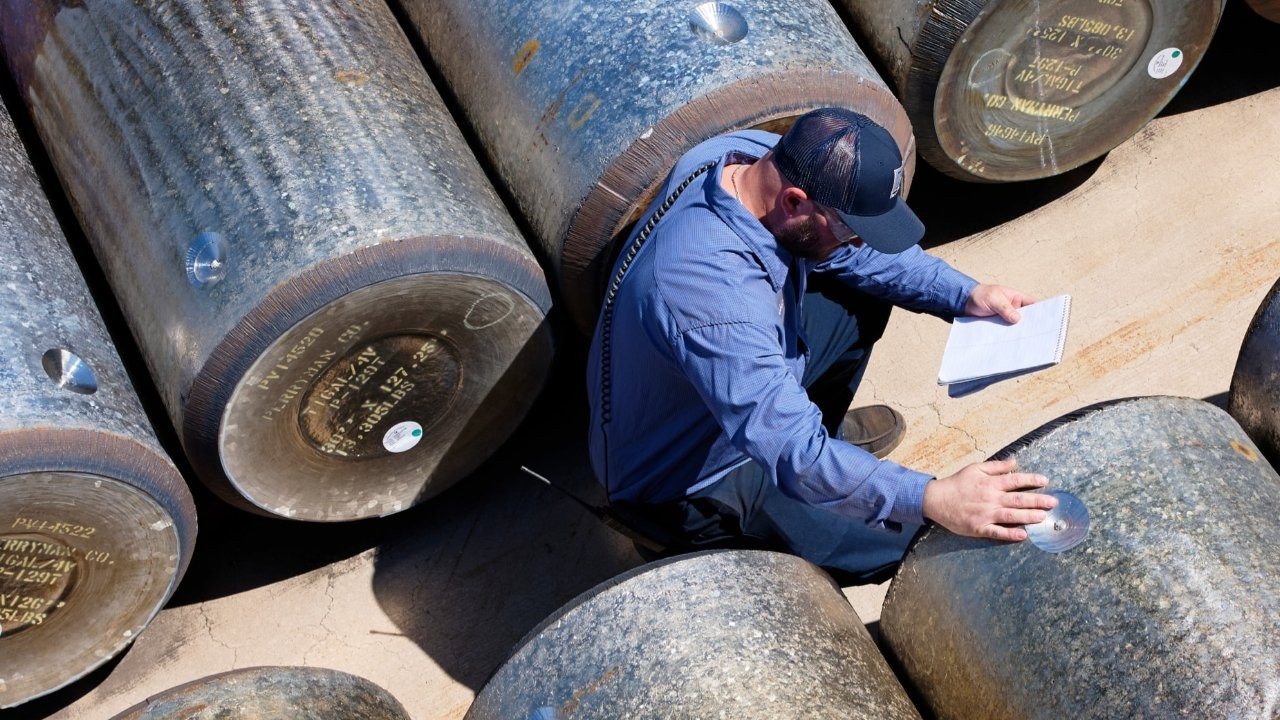
Apple is buying more than titanium. The company announced Tuesday that it will commit up to $100 million over the next three years to Perryman Company, a family-owned Pennsylvania titanium producer, to supply the grade 5 titanium used in the iPhone Duo's enclosure, according to Reuters. The deal runs through Apple's American Manufacturing Program, the same vehicle it used to expand a partnership with Delaware-based Qnity Electronics for the advanced films behind the iPhone 18 Pro's variable-aperture camera system.
The details are quietly impressive. Perryman melts, forges, and rolls its titanium in Houston, Pennsylvania, with a minimum of 80 percent recycled content — material for the enclosure of Apple's first foldable iPhone. Qnity's films sit at the heart of what Apple calls the most advanced camera system it has ever made. "American ingenuity is vital to all our products, from the titanium crafted for iPhone Duo to breakthrough camera innovations in iPhone 18 Pro," said operations chief Sabih Khan in the announcement.
Zoom out and the picture gets bigger: Apple now says nearly 100 components across the iPhone Duo and iPhone 18 Pro are produced by American companies in more than a dozen states. Corning's Kentucky plant will make all the cover glass for every iPhone and Apple Watch sold worldwide by the end of 2026. TSMC's Arizona fab will produce more than 100 million chips for Apple this year. Broadcom is putting $1.5 billion into its Colorado facility. And the Houston, Texas, site housing Apple's AI servers — the one that began production of Apple-made AI server hardware — will also start manufacturing Mac mini later this year, per Apple's own release.
That's the real tell. Apple has never final-assembled an iPhone in the US, and nothing in this announcement changes that. What it's doing is onshoring the parts list, one supplier at a time — a slower, more durable hedge against tariff policy than any single factory. The 2019 playbook, when Apple kept the Mac Pro in Texas after the White House threatened tariffs, is now a company-wide strategy: build enough American content into the supply chain that the question of where the final screw goes in matters less.
The strategy has limits. Nearly 100 components sounds like a lot until you remember an iPhone has thousands of parts, and final assembly remains anchored in Asia. But watch the trajectory: if the American Manufacturing Program keeps expanding from materials to subassemblies, the "assembled in China" label starts to look more like a formality than a fact.
— via Reuters