Apple spent two decades treating flash-memory suppliers like a vending machine: pennies in, dollars out. Now the machine is eating the quarters. A Wall Street Journal report describes how the AI buildout has handed Apple's beleaguered chip suppliers the leverage they spent years dreaming about — and they are not shy about enjoying it.
One Kioxia sales executive, Scott Nelson, is so embittered by Apple's procurement tactics that he once rode into the Southern California desert, pulled out a rifle, and shot his old iPod — the first Apple device to use flash storage. He keeps the broken pieces on his desk. Now, according to the Journal, flash suppliers are privately celebrating Apple's comeuppance at industry conferences.
The numbers are stark. AI hyperscalers have quintupled flash prices in the past year, per research firm TechInsights. Apple is expected to spend about $25 billion on flash this year for roughly the same volume it bought for $6 billion in 2025. Two years ago Apple bought nearly twice the flash of Microsoft, Amazon, Meta and Google combined; now the hyperscalers buy double Apple's share, and Meta, Microsoft and Amazon have signed long-term Kioxia contracts at higher prices that protect the supplier if the market turns. Tim Cook, Apple's executive chairman, likened escalating memory prices to a "100-year flood."
The report catalogs Apple's hardball playbook under former procurement chief Tony Blevins — "the Blevinator": rival suppliers booked back-to-back so their sales teams collided in the hallway, negotiation sessions pushed past midnight with no dinner break, "most favored customer" clauses guaranteeing nobody paid less, and supplier audits so frequent Blevins negotiated a volume discount with Deloitte. After catching Micron selling flash cheaper elsewhere, Apple won an arbitration settlement worth tens of millions.
What really stings is the margin story. The Journal found Apple averaged more than 80 cents of gross profit for every dollar it charged iPhone and iPad buyers for storage upgrades since launch; about 100 million iPhone buyers paid for upgrades last year — over $10 billion in gross profit at an 85% margin. Its analysis: the extra 256GB an iPhone 17 Pro buyer paid $200 for cost Apple $15 then, and costs $66 now.
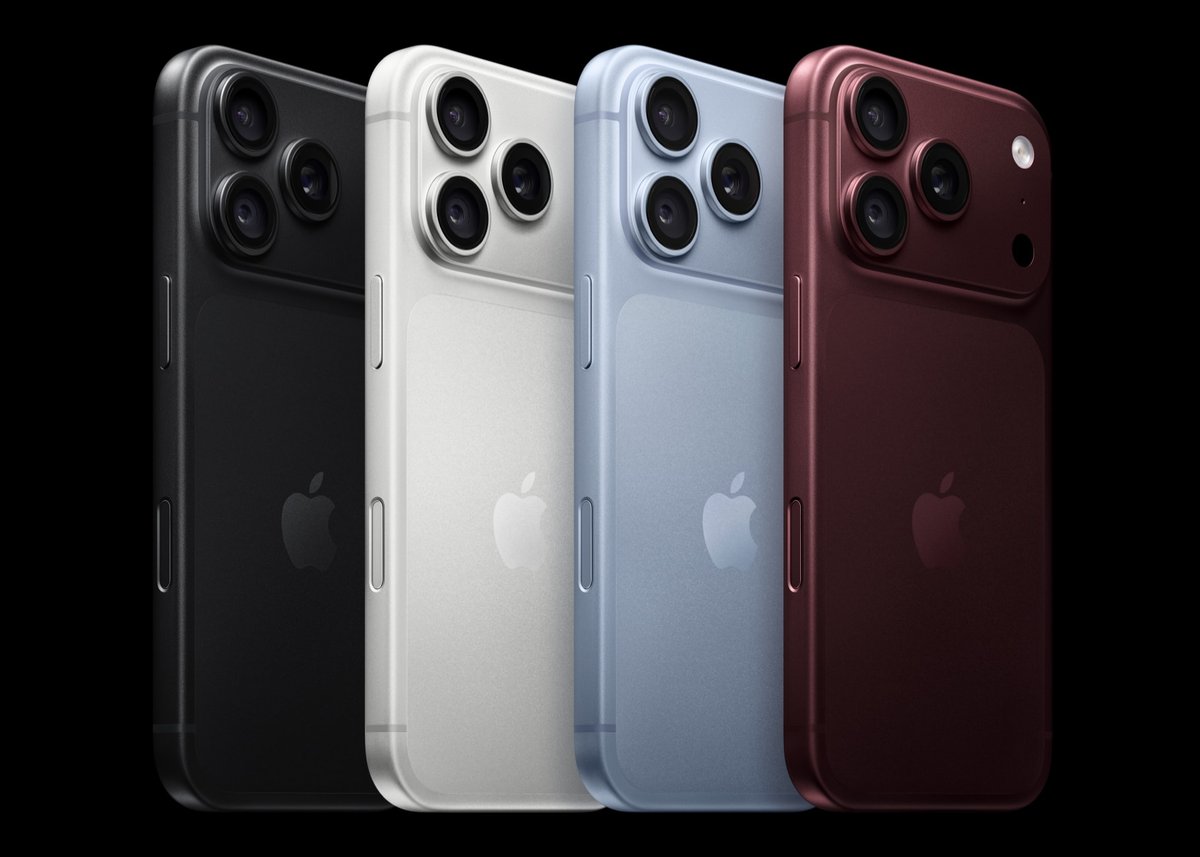
That's the context behind the 13% average iPhone price increase Apple pushed through in recent months, including on older models that typically get cut. Cook told the Journal the company has been "doing our best to mitigate the huge increases that are being passed to us, and we've been trying to shield our customers from the increases, but the situation has become unsustainable."
With Apple earnings on Monday, this story will hang over the call. The AI boom isn't just eating Apple's fattest margin — it's teaching its suppliers they no longer have to be squeezed. As TechInsights analyst Walt Coon put it, "there's no shortage of satisfaction among suppliers now that the balance of power is shifting."
— via The Wall Street Journal