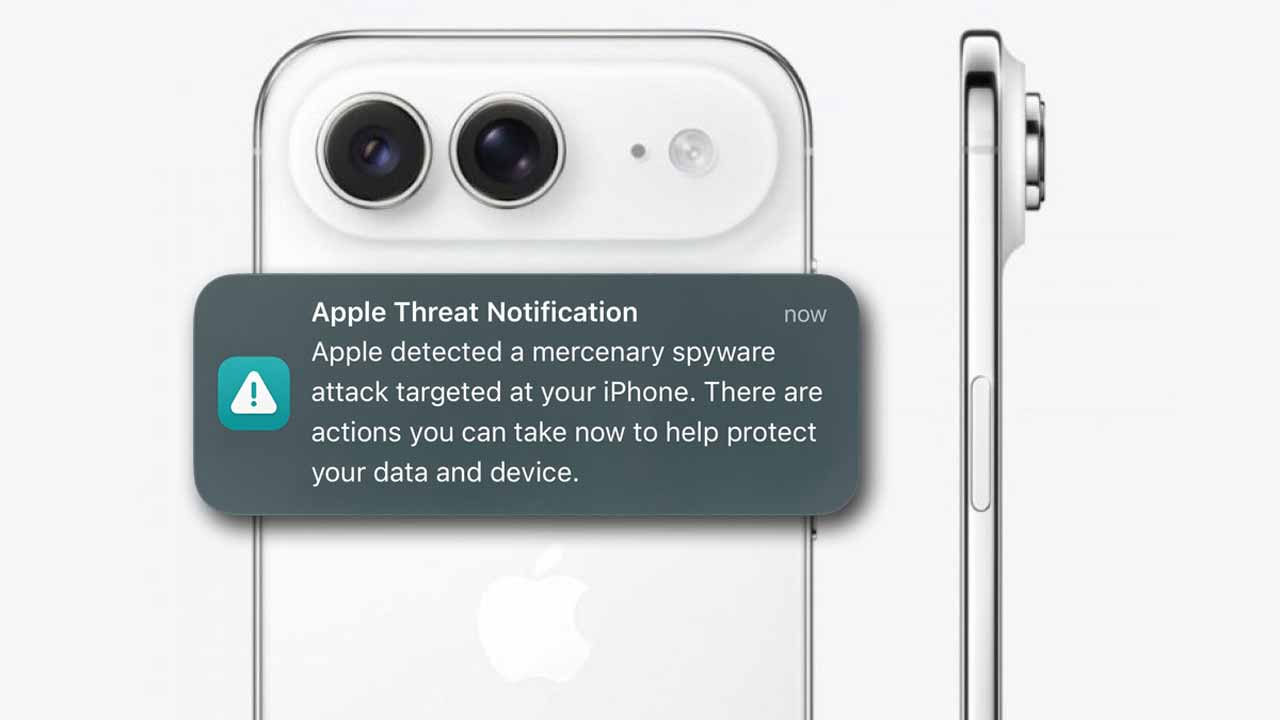
On October 30, a small number of iPhone owners in 99 countries woke up to one of Apple's most sobering messages: a threat notification saying they'd been individually targeted by mercenary spyware. According to Tech Prolonged, this is a new wave — separate from the one Apple sent in August — and it brings the total to users notified in more than 150 countries since the program began. Apple has named no attacker, no spyware product, and no region.
That's by design, and it's the point worth pausing on. Apple never attributes these alerts, because attribution would require revealing detection methods the attackers could then evade. The trade-off is that the alerts land as a bare warning — no name to blame, no patch that fixes the underlying market. Security researcher Costin Raiu posted the notice's text, which confirms the "over 150 countries" figure and reiterates that the attacks "cost enormous sums" and target specific people: journalists, activists, politicians, diplomats.
What to watch is the cadence, not any single wave. Apple's threat notifications used to be rare, almost annual events. A second wave two months after the last one — coming the same month researchers found spyware makers buying zero-click infections through online ads — suggests the mercenary spyware industry isn't just surviving the lawsuits and sanctions. It's shipping.
For the rest of us, the practical advice is unchanged and unglamorous: if you get the notification, update first, then switch on Lockdown Mode in Settings → Privacy & Security, and call Access Now's Digital Security Helpline rather than panicking. And if a text or email claims to be a threat notification, don't tap it — sign into your Apple Account yourself and look for the banner. A real alert, Apple says, will never ask you to download anything, install a profile, or hand over a code.
— via Tech Prolonged