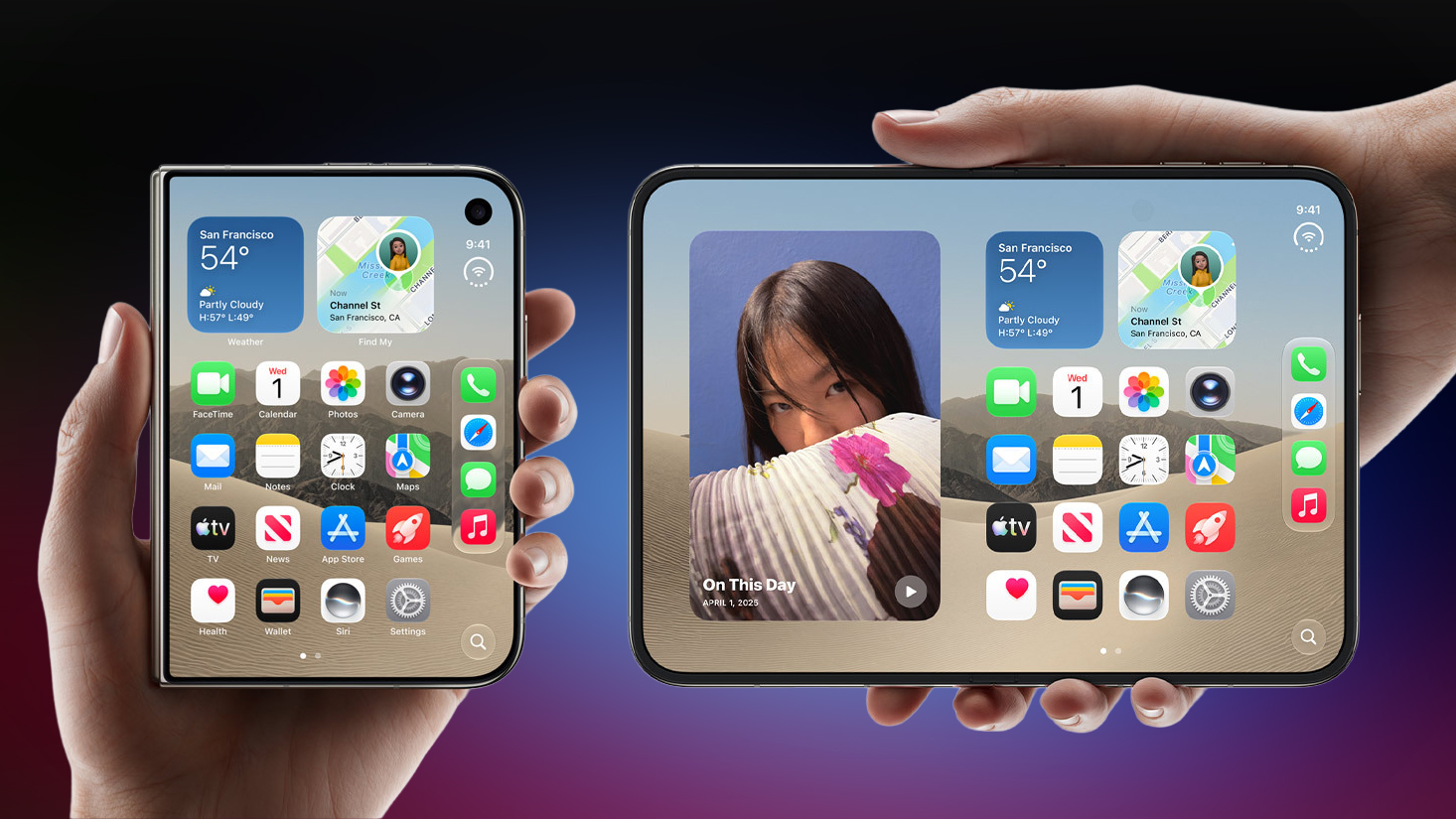
Apple has questions about its first foldable — and the ones it's asking say as much as the ones it isn't.
Two weeks after the iPhone Duo went on sale, Apple is emailing surveys to some early buyers, according to MacRumors, asking how they feel about the phone's most-debated compromises: the 5.4-inch outer display, the visibility of the crease, and the 4-megapixel under-display camera. The final question is open-ended: what would you add or change?
The survey opens with a telling question — why did you buy it now? The suggested answers include "I wanted to try Apple's first foldable," "It was an impulse purchase," and "I expect smartphone prices to increase." That's Apple sizing up whether the Duo's early buyers are true believers, experimenters, or people buying ahead of tariffs and price hikes.
Then it gets specific. Owners are asked whether the closed display — about the size of the discontinued iPhone mini — feels too small, how visible the crease is in daily use, whether the under-display camera is distracting, and how they rate its image quality. The 4MP camera was one of the most common complaints in early reviews, and the crease, while barely noticeable in MacRumors' own hands-on, remains the foldable's defining visual compromise.
What's missing is the interesting part. The survey reportedly doesn't ask about Touch ID's return, apps that haven't been optimized for the folding display, or the screens cracking along the hinge — the issue that surfaced within days of launch and that Apple later described as affecting only a "small number" of devices, offering replacements. Post-launch surveys are standard practice, and this one proves nothing about a Duo 2. But the questionnaire is a map of what Apple considers worth measuring — and, by omission, what it would rather not hear about in a survey.
If the answers come back that the crease and camera are fine but the outer screen is too small, the next Duo gets a bigger cover display. If owners say the camera is the problem, the under-display sensor gets a rethink. Either way, Apple is listening — selectively.
— via MacRumors