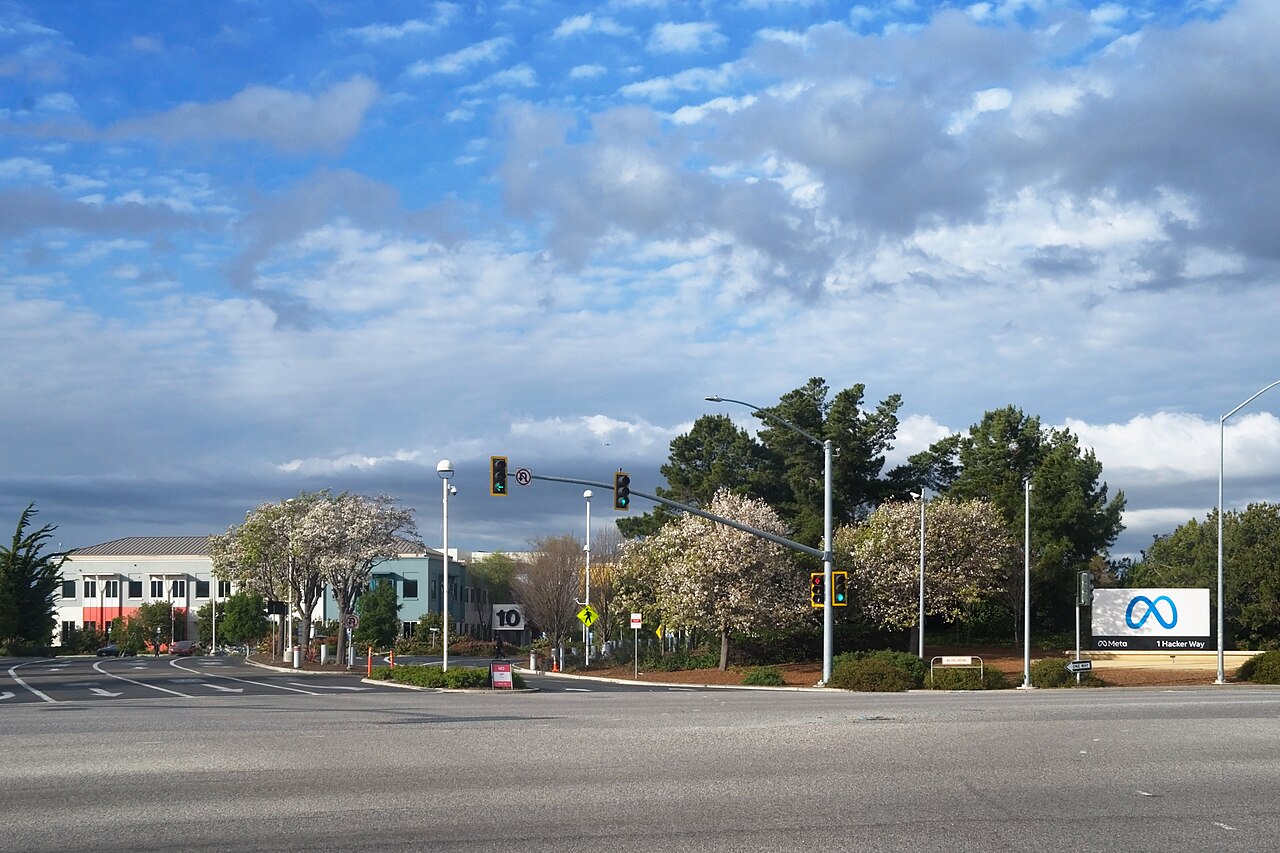
Meta's AI ambitions have officially outgrown its own bank account. On Monday, the company launched public offerings of about $35 billion in common and convertible preferred stock, and filed for a separate at-the-market program to sell up to $60 billion more in non-voting shares starting early next year. The plan reaches roughly $95 billion — the largest equity fundraising in the company's history, all earmarked for AI infrastructure and "personal superintelligence."
The first tranche comes in two pieces: $22.5 billion in Class A common stock sold through forward sales, with cash settling by November 2027, and $12.5 billion in mandatory convertible preferred stock that converts around August 2029. The $60 billion Class C program hasn't been established yet — a filed intention, not money in hand. And in a telling detail, Nvidia, AMD, and Broadcom have reportedly indicated interest in up to $5 billion of the offering combined. The chipmakers whose hardware Meta is buying may end up owning a piece of the buyer.
The reason Meta is doing this now is in its own earnings. The company swung to negative free cash flow of $2.12 billion in the third quarter, against positive $10.63 billion a year earlier, while planning $135 billion to $145 billion in capital spending this year. Last week, its shares fell 10% after earnings when management signaled it would need to raise more capital — the market heard the warning; today it got the invoice.
Meta isn't alone in reaching for the wallet. Anthropic filed its IPO prospectus the same day, in a listing Reuters has reported could value the lab at as much as $2 trillion, and SpaceX struck a roughly $40 billion deal with an Apollo affiliate to buy AI chips and lease them back. One Monday, three companies, something like $135 billion in fresh capital commitments between them.
The question is the one hanging over the whole AI buildout. Meta's ad business is still a money machine — $64.6 billion in revenue last quarter — but the gap between what AI infrastructure costs and what it earns is now wide enough to swallow a record stock sale. Shareholders are funding the superintelligence bet with dilution rather than dividends, and the payoff is still a promise. Watch how much of the $60 billion program actually sells next year — that number, more than any headline, will tell you whether the market still believes.
— via Reuters