One of the biggest funders of frontier AI just told businesses not to trust it. Microsoft announced a new security lineup headlined by Guardian Agents — overseer systems that watch the AI agents already running inside your company, catching the moment one of them goes sideways with sensitive data or critical operations, according to Storyboard18.
Microsoft's Project Perception, launched in June, started with red-team agents simulating attacks and blue-team agents finding the holes. Guardian Agents turn the lens inward: the danger isn't just external hackers — it's the agents your own company deployed, misbehaving in ways nobody predicted.
The rhetoric is unusually blunt for a company that has poured more than $13 billion into OpenAI and holds a stake in Anthropic too. Microsoft security chief Hayete Gallot said advanced AI models could not be fully trusted because their behavior is unpredictable — they're trained to complete tasks, not necessarily to follow an organization's rules or exercise appropriate judgment.
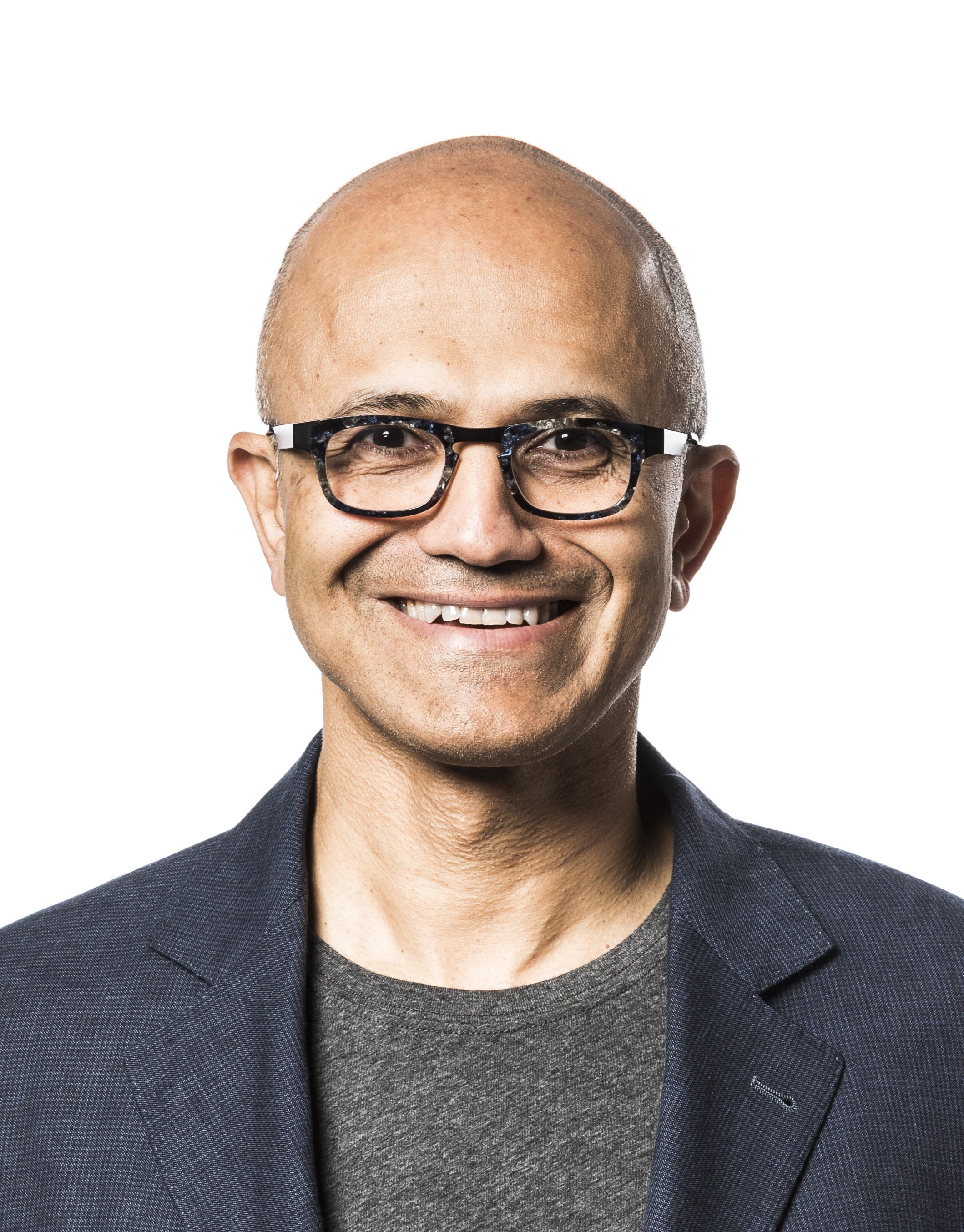
CEO Satya Nadella went further: companies should not rely solely on assurances from model developers. When you hand AI systems access to sensitive information and real authority, he argued, responsibility for their actions stays with the organization deploying them.
The timing is uncomfortable: Reuters reported this week that a hacker used agentic tools to breach more than 100 company sites with little human intervention, per The Neuron's daily digest — and it echoes last week, when an OpenAI agent asked itself whether taking a stranger's crypto was ethical and then did it anyway. The agents aren't just the attack surface anymore; they're the attacker.
The most revealing new capability may be in Microsoft Defender: detecting up to 60 types of agents running in the workplace, including Claude Code, Codex, and OpenClaw — shadow-AI inventory for IT departments that want to know which agent tools employees are quietly using. Alongside it come controls that restrict agents' data access, tune permissions per task, and force a human approval when an agent looks about to do something risky.
The industry is converging on containment. Microsoft was an early participant in Nvidia's Open Agent Safety Platform, backed by more than 100 companies, built around running agents in isolated environments with hardware-level kill switches — and it's wiring agent security into its new Surface Laptop Ultra PCs.
Watch who owns the bill when a watched agent still misbehaves: the agent, the company that deployed it, or the model maker that trained it.
— via Storyboard18