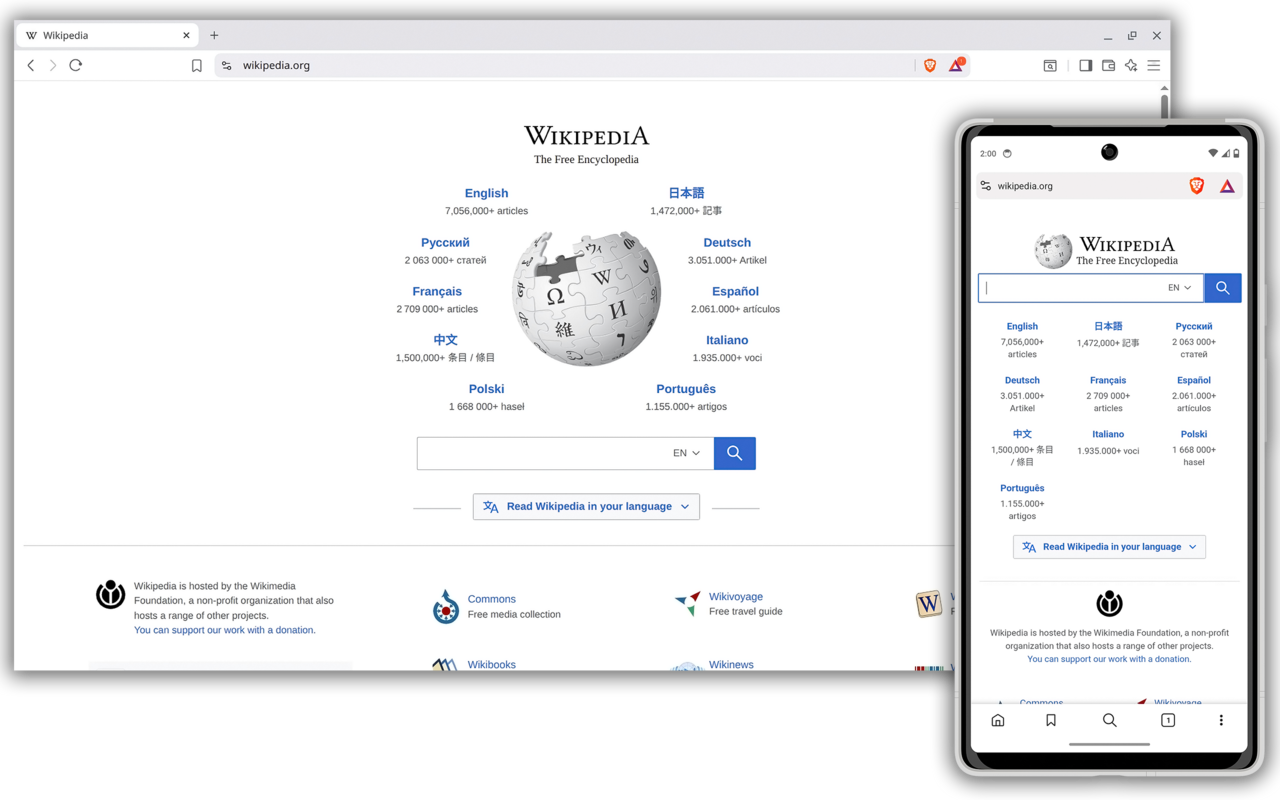
The copyright war over AI training data just opened a second front — and this time the target isn't a model builder. On Monday, The New York Times and three other newspapers sued Brave, the privacy-focused browser company, accusing it of doing the stealing and the selling.
The suits landed in Manhattan federal court on Monday, according to TechCrunch: one from the Times, and a parallel one from the publishers of the Daily News, the Chicago Tribune, and the Orlando Sentinel. Their allegation is that Brave scraped their copyrighted articles into its Brave Index — more than 30 billion web pages — using an "unidentified crawler" that publishers have no way to block, then sold paid access to that index to Anthropic, Perplexity, Mistral, xAI, and Cohere for training models or grounding answers.
The language in the complaint is unusually vivid. The Times calls Brave a "supplier, dealer, and distributor of stolen copyrighted content" for AI companies. "In this way, Brave acts both like a burglar that misappropriates the content of publishers, and an AI 'fence' that sells stolen content to third parties," the suit reads. Notably, none of the AI companies are defendants — Brave is accused of being the middleman that made the alleged theft possible.
But training data is only half the complaint. The suits also target a Brave browser feature the papers call a "paywall blocker," which allegedly lets readers access subscription journalism for free — while Brave simultaneously blocks publishers' ads and sells its own. The Times says it repeatedly asked Brave to stop, per Reuters, and was ignored. Brave did not immediately respond to a request for comment; Perplexity, one of the named customers, brushed the suit off, telling The Verge that the Times is "overpaying its attorneys and underpaying its journalists."
Here's why this case matters more than the usual publisher-vs.-AI skirmish. Every major copyright suit so far — including the Times' own cases against OpenAI and Perplexity — has gone after the companies training the models. This one goes after the data supply chain: the index APIs that scrape the web and wholesale it to whoever pays. If the Times' theory holds, every search-index vendor selling real-time web access to AI labs is suddenly exposed.
The timing sharpens the point. Just last week, Google backed a one-line AI training opt-out — an attempt to make robots.txt-style signals machine-readable for the AI era. This suit is about a crawler that allegedly sidesteps those signals entirely, because nobody knows what it is. An opt-out you can't see can't be honored.
And Brave's combination of offenses — scraping content, bypassing paywalls, blocking publisher ads — makes this bigger than training data. It's a fight over the entire economics of publishing on the web, with the company that brands itself as the reader's privacy champion cast as the villain. Brave, founded in 2015 and said to have raised about $250 million, now has to defend the plumbing its whole business runs on.
Watch next: whether Brave responds, what discovery reveals about that unidentified crawler, and whether other index APIs become the next defendants in line.
— via TechCrunch