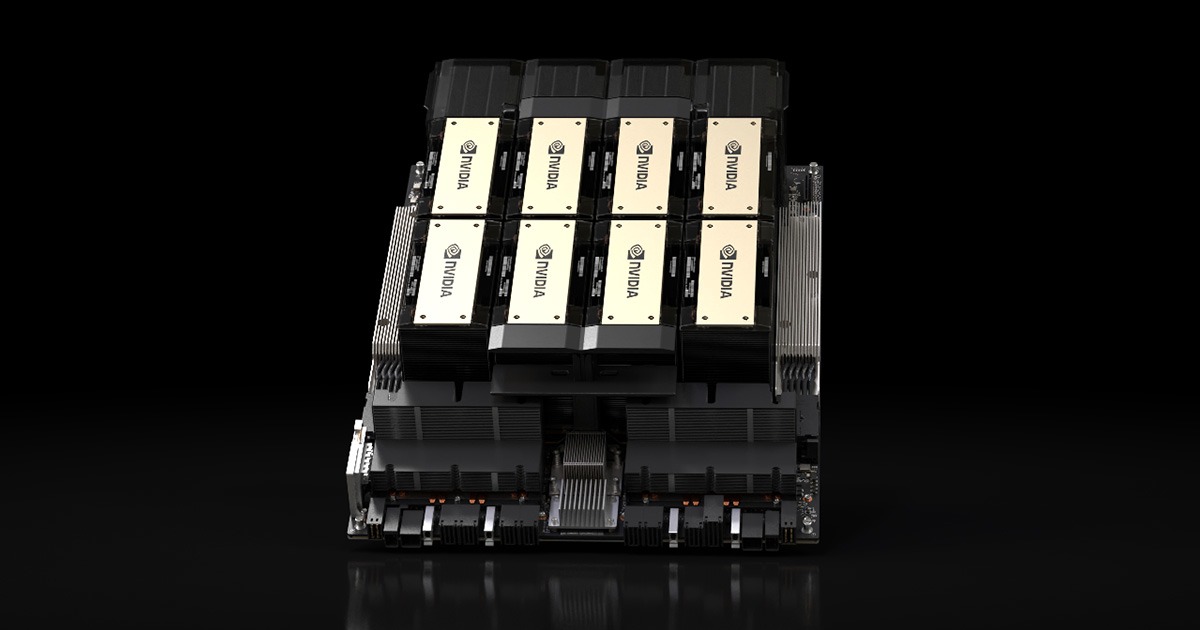
Roughly 600,000 of Nvidia's H200 AI chips are sitting in Hong Kong, waiting for permission to enter mainland China that Beijing has no plans to give. That's the picture Reuters reported Thursday, citing two people familiar with the matter — a stockpile whose size had not previously been disclosed.
The irony is that Washington already said yes. The U.S. barred H200 exports to China, then reversed course after trade negotiations, granting Nvidia permission to sell to approved Chinese customers. The bottleneck now is Beijing: it has let in only small batches — several major Chinese internet companies have each received about 10,000 H200s in recent months — while withholding approval for large-volume imports. Beijing's concern, per the reporting, is dependence on American technology, and it has told firms including Alibaba, ByteDance and DeepSeek to prioritize domestic processors for inference, the day-to-day work of running models.
That leaves Chinese labs in a strange bind. The H200 isn't Nvidia's newest chip, but its 141GB of HBM3e memory — and, crucially, Nvidia's software stack — are ones Chinese alternatives have yet to match, making it the workhorse for training. With authorized supply throttled, buyers have turned to intermediaries and indirect routes, and the unofficial market has responded accordingly: an eight-card H200 server was offered in mainland China for more than 6 million yuan (about $900,000) by the end of October, roughly three times its price a year earlier. Servers built on the newer Blackwell chips, which remain under U.S. export controls, were going for more than 20 million yuan.
Nvidia is already feeling it: its quarterly filing disclosed a $0.4 billion charge for H200 excess inventory in the first half of fiscal 2027, after Beijing's restrictions left it unable to sell all the products its U.S. licenses covered. Demand isn't going away, either: Reuters reported last month that ByteDance, Alibaba and Tencent ordered more than 3 million of Nvidia's less powerful, export-compliant RTX Pro 5500 cards, worth over $35 billion combined.
Watch two things next. First, whether Beijing budges — The Information reported in July that total approvals could come to fewer than 200,000 chips, a third of what's warehoused. Second, where Chinese labs go instead: CNBC reported Moonshot AI is looking to rent Blackwell capacity from European neoclouds, in clusters of 8,000 GPUs or more. The chips may be stuck in Hong Kong, but the compute demand is already finding other routes.
— via Reuters