OpenAI is now selling its best models through the cloud of one of its fiercest rivals. The company will make its frontier models — including GPT-6 Astra — and its Codex coding agent available through Google Cloud in the coming weeks, according to Reuters.
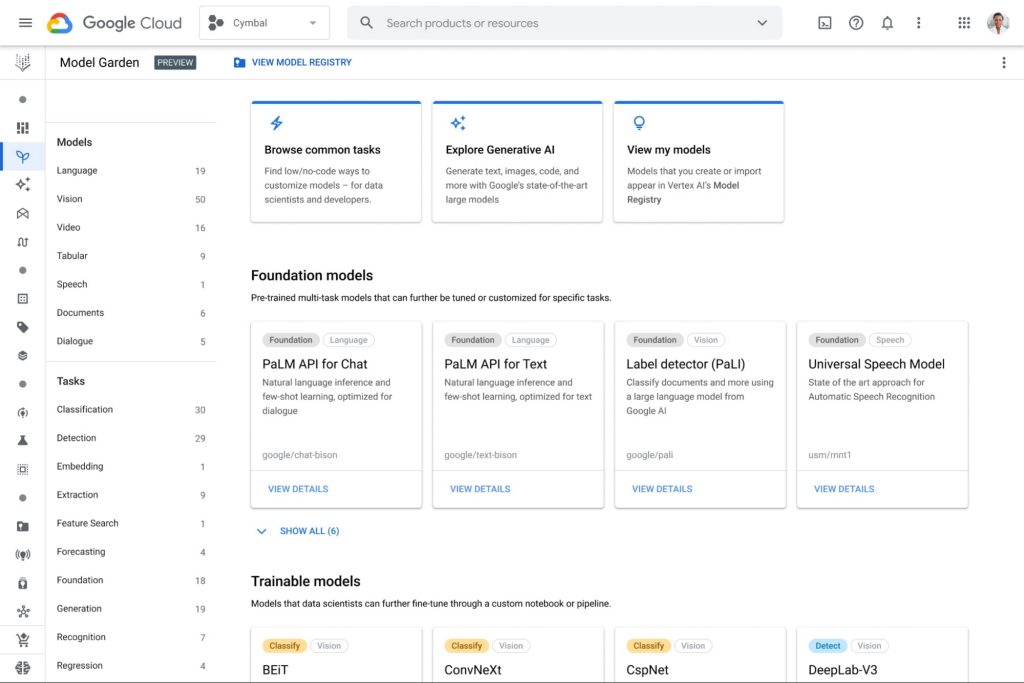
The models land in Google Cloud's Model Garden, where customers can buy them through Google Cloud Marketplace and — this is the part finance teams will love — apply them against existing cloud spending commitments. For customers in regulated industries, access comes through Google's own access controls, data governance tools, and infrastructure, aimed at building agentic AI workflows.
This is what the post-exclusivity era looks like. OpenAI's exclusive distribution arrangement with Microsoft expired back in April; since then it has expanded distribution to Amazon Web Services and now Google Cloud. Every major hyperscaler is vying for AI market share, and the way they compete is by stocking the most models — including the ones built by direct rivals.
Google is leaning into that neutral-platform positioning deliberately. It already struck a deal with OpenAI last year to supply it with more computing capacity, and Reuters notes Google Cloud CEO Thomas Kurian has said the platform is open to any model popular with developers. The economics explain the warmth: cloud providers typically take a cut of marketplace sales, and this channel is getting enormous. Anthropic's IPO filing, also reviewed by Reuters, showed that 47% of its 2025 revenue came through Amazon's and Google's cloud platforms.
The deeper shift here is who controls distribution. Model labs used to sell directly; now the hyperscalers are becoming the App Store for frontier AI, with billing relationships and enterprise trust doing more selling than any model card. OpenAI reportedly wants $30 billion in new funding ahead of a possible Anthropic IPO — and a presence on every enterprise's existing cloud bill is exactly how you justify that.
What to watch: how fast regulated-industry buyers actually deploy through Google's stack, and whether this finally makes "multi-cloud model sourcing" the default enterprise procurement pattern rather than a slide in a deck.
— via Reuters