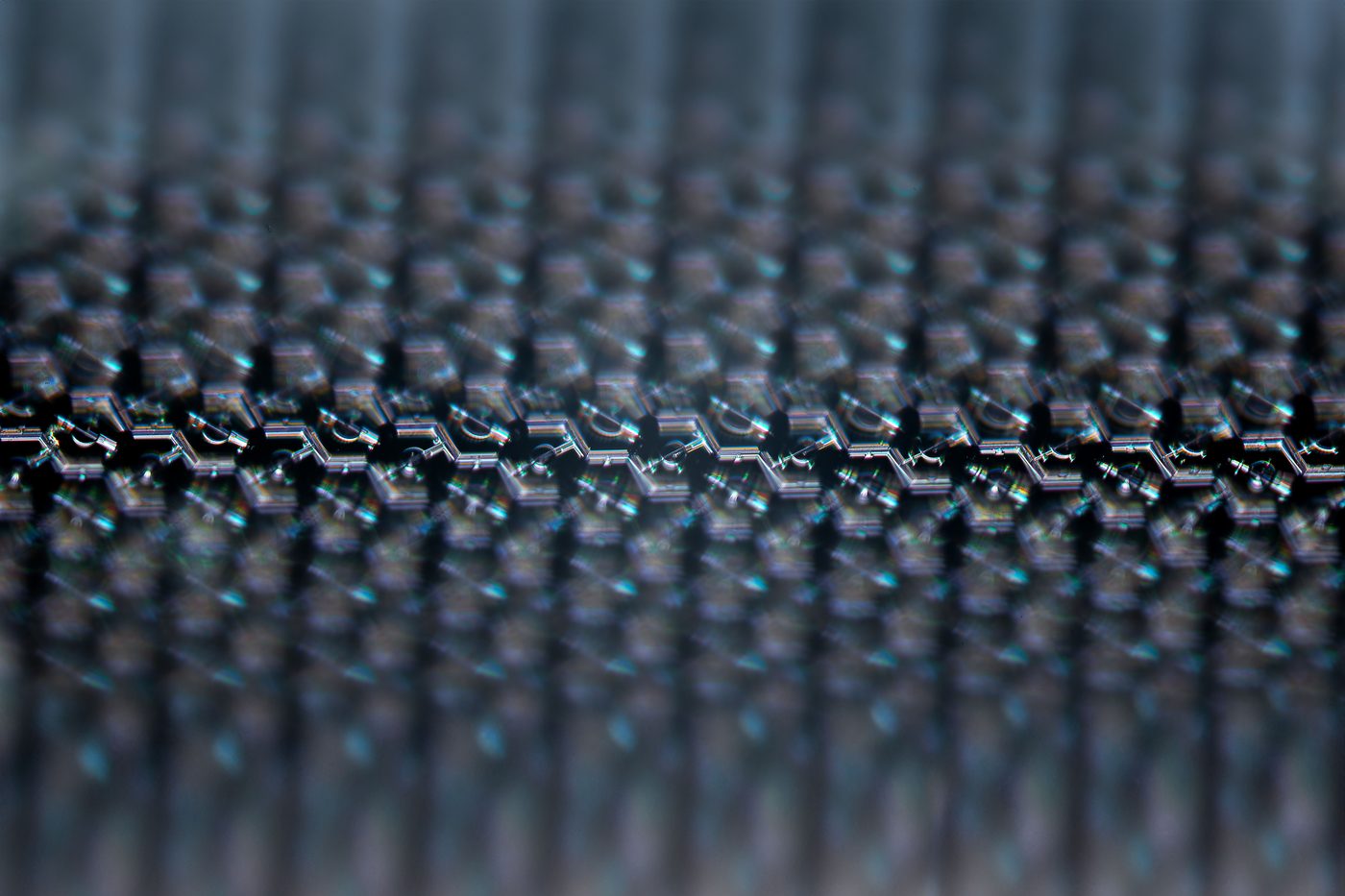
Science Corporation has implanted its PRIMA vision chip in its first patient with Stargardt disease, CEO Max Hodak said on stage at TechCrunch Disrupt. The Neuralink co-founder framed retinal prostheses as brain-computer interfaces: the retina is central nervous system tissue, and vision to the brain is electrical signaling down the optic nerve.
The patient received the 2 mm by 2 mm subretinal implant in May at Sydney Eye Hospital as part of an ongoing trial. Camera glasses feed the chip, which stands in for dead photoreceptors. At the first rehab session he saw a letter; at the second he read a word. The view is black-and-white and high-contrast, with a field Hodak compared to looking through a straw.
PRIMA is already sold in Europe for geographic atrophy from age-related macular degeneration. Stargardt, currently incurable, affects the outer retina and leaves about 150,000 people worldwide with central vision loss. Hodak said a next-generation implant with a wider field is headed into humans within a year.
— via TechCrunch.