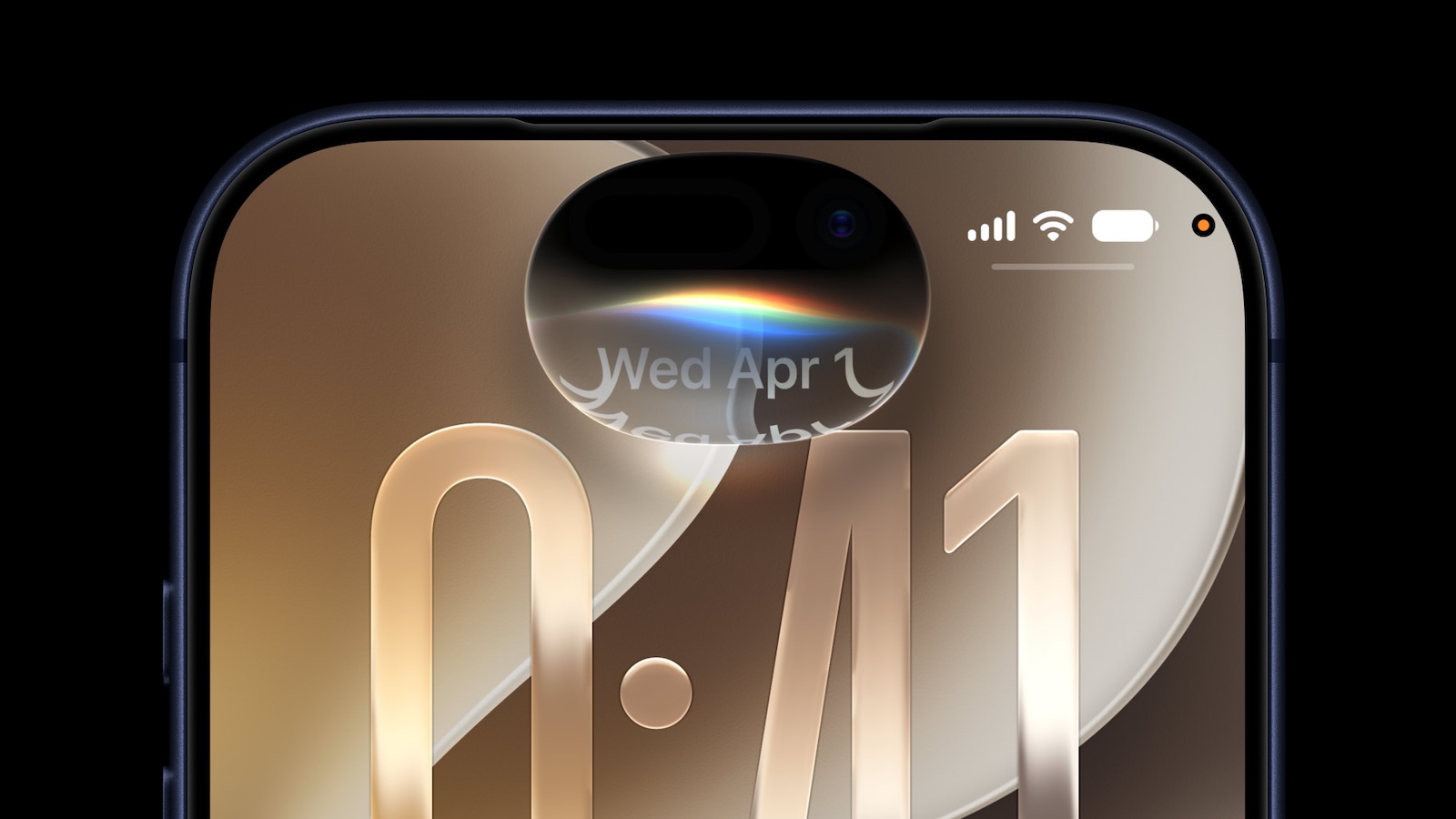
Siri's biggest weakness has never been its voice. It's that it forgets you the moment you stop talking. Code in the iOS 27.3 beta suggests Apple is finally building the fix — a personal memory system that would let Siri remember who you are, not just what you asked.
The system, uncovered by code explorer pdfu and reported by MacRumors, centers on what Apple calls a "memory graph": a structured record of your relationships, places, routines, health, workouts, and what motivates you — or holds you back. Inside it, individual facts live as "memory atoms" covering facts, opinions, intentions, and events, each tagged with the people, places, times, and topics involved.
The graph would gather its material two ways. One process turns structured data into insights — reading, say, the name fields in your own contact card. The other uses an on-device AI model or Private Cloud Compute to extract insights by querying Siri conversations, messages, photos, and health data. Only one of those AI-driven processes is present so far, and it's a telling one: it's designed to identify motivations, barriers, and resources using a set of 60 built-in questions, including questions about routines that might interfere with adequate sleep. Apple isn't starting with "remember my coffee order." It's starting with why you can't sleep.
That's the ambition. The reality, for now, is scaffolding. According to pdfu, no process exists yet that actually creates memory atoms, and a separate store for explicit memories has space for records in Apple's search system but nothing writing to it. Both systems reportedly run on Apple's version of the Kuzu graph database — technology Apple acquired in 2025, whose purpose was unclear when the deal surfaced earlier this year. Now it's coming into focus.
The timing matters. The memory graph arrives in the same beta cycle where Apple is racing to make Siri an agent — Bloomberg reported over the weekend that CEO John Ternus is pressing software chief Craig Federighi to accelerate the roadmap, with agentic Siri possibly arriving in 2027. A Siri that can act on your behalf is only useful if it remembers what you're trying to do; a memory graph is the missing piece. The same reporting says Siri engineering chief Mike Rockwell is weighing a departure, which raises the question of who builds it.
What to watch: Apple hasn't said when any of this ships, and nothing in the code so far explains how users will control what Siri remembers — or delete it. Siri already offers personal context understanding across Mail, Messages, and Photos, but a persistent memory of your motivations and routines is a different kind of data, and the privacy story will matter as much as the feature. The graph is in the beta. The answers aren't.
— via MacRumors