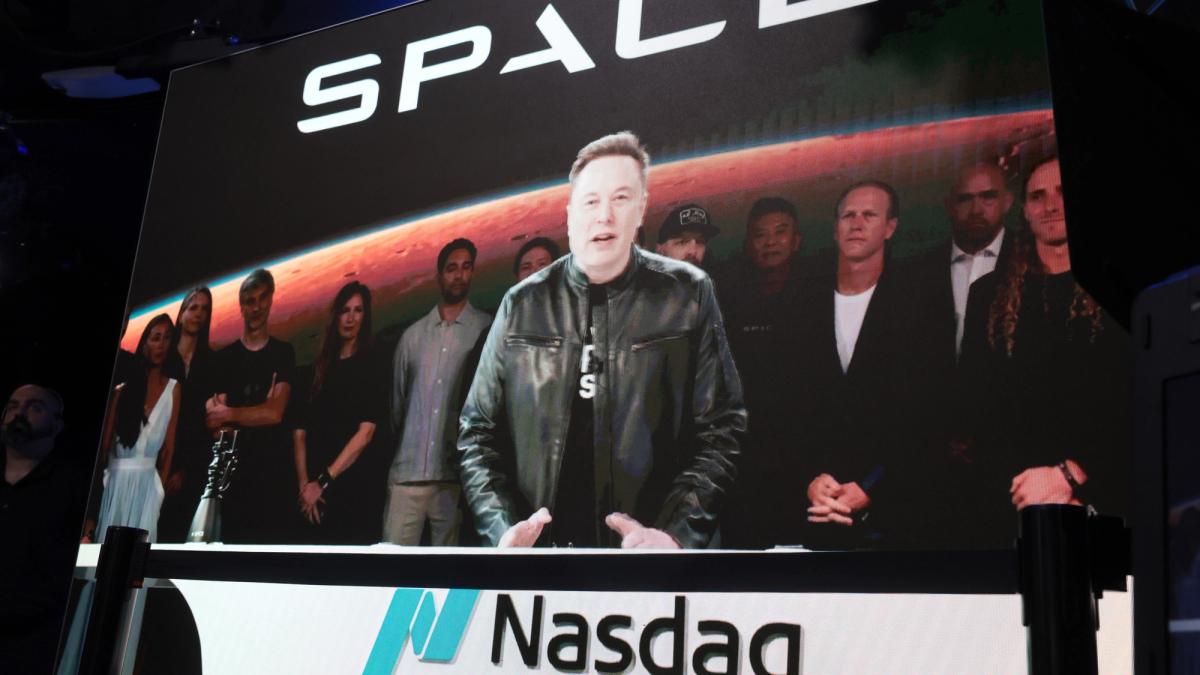
Elon Musk closed a $40 billion loan and used the announcement to declare the AI gold rush's credit window shut. In a post on X on Sunday, Musk said SpaceX had closed $40 billion in debt financing to buy GPUs — then warned that the 200-plus "neocloud" companies renting out AI computing power are about to face a reckoning.
The deal, according to CoinDesk, is mainly callable debt — SpaceX can repay it early — and will fund GPU deliveries arriving in the first and second quarters of 2027. "Not a major factor this quarter," Musk wrote. The structure matches what the Financial Times reported in early October: roughly $10 billion in bank loans plus $30 billion of investment-grade debt, with Apollo leading and PIMCO participating. Reuters had reported the talks earlier this month; whether pricing is fully agreed is still unclear, and Bloomberg noted Monday that talks were ongoing even as Musk called the deal closed.
What Musk actually announced was a two-tier credit market. "As of the past few weeks, debt markets have almost entirely shut off access to money for any company that doesn't have substantial revenue independent of AI data centers," he wrote. SpaceX got the money because it has an investment-grade rating and real cash flow from Starlink and rocket launches — businesses that don't depend on AI data centers. The neoclouds, whose entire business is renting GPU capacity to AI customers, don't have that cushion. Musk predicted more than 200 of them will consolidate down to a few survivors, and added that SpaceX won't be buying any of them — calling it "pointless."
The warning lands as investors are already pulling back. Bets against U.S. neocloud and data-center companies have grown after fears that the debt-fueled AI buildout is becoming unsustainable sparked a selloff, and venture capitalist Chamath Palihapitiya has argued many neoclouds are poorly funded and badly run — with hyperscalers like Amazon, Microsoft and Google preferring to keep computing power for themselves rather than rent it out.
The timing matters beyond one company's balance sheet. Microsoft, Alphabet and Amazon all report earnings later this week, and the question hanging over all of them is the same one Musk just answered for SpaceX: who can still afford to keep buying chips when the lenders get picky? SpaceX's answer is that it can — because it sells internet and launches rockets. For companies whose only product is the chips themselves, the next six months look a lot colder.
— via CoinDesk