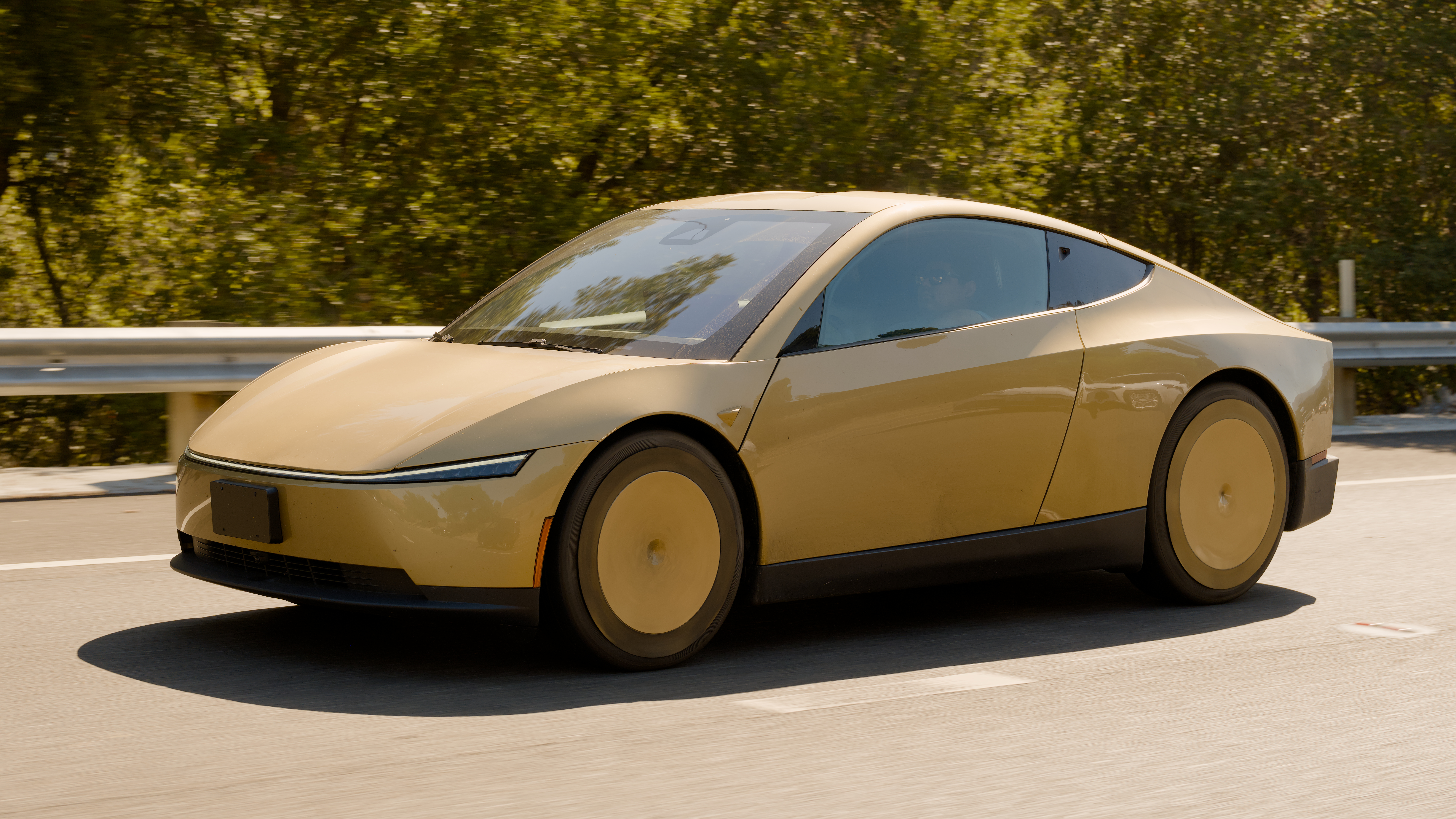
Tesla's robotaxi business had its first real financial reckoning this week, and the headline is a split personality. On Wednesday's third-quarter earnings call, executives said the steering-wheel-free Cybercab will expand to Dallas in November — and, more notably, that Tesla will begin selling Cybercabs to outside fleet operators by the end of the year, according to the New York Post. "We're starting with getting people from one place to the other, but we want to basically own transportation of any kind on Earth," CFO Vaibhav Taneja told analysts.
The fleet-sales detail is the tell. Tesla is barely a month into carrying paying passengers in Austin, where the Cybercab service operates in limited areas. Musk himself conceded the operation "won't make a noticeable contribution" to Tesla's financial results until the second quarter of 2027, with a more substantial impact later that year. So while the company talks about transportation domination, it's reaching for the one lever Tesla already knows how to pull: selling hardware. Taneja said the manufacturing team believes the Cybercab is "one of the easiest products for them to scale in terms of manufacturing" — convenient, because scaling the actual service is not.
The gap with Waymo is the sobering context. Alphabet's company runs more than 4,000 vehicles across 15 US markets, passed 500,000 fully autonomous rides per week earlier this year, and logged 271.3 million driverless miles through June, per its safety report. Tesla's unsupervised total sits around 3.1 million miles through Oct. 18. Tesla still won't disclose how many paid robotaxi trips it provides.
Regulators aren't making it easier, either. NHTSA opened an investigation in September into Tesla's self-certification of nearly 1,000 Cybercabs as compliant with federal motor-vehicle safety standards that were written for cars with steering wheels and pedals, and Taneja acknowledged Tesla needs "all the regulatory approvals" to deploy vehicles as fast as it can build them.
Watch next: whether any fleet operators actually buy in before the service itself is proven, and whether NHTSA's audit of that self-certification slows the Dallas rollout. Tesla's pitch is that the Cybercab is cheap to build; the unanswered question is whether it's allowed to drive.
— via New York Post