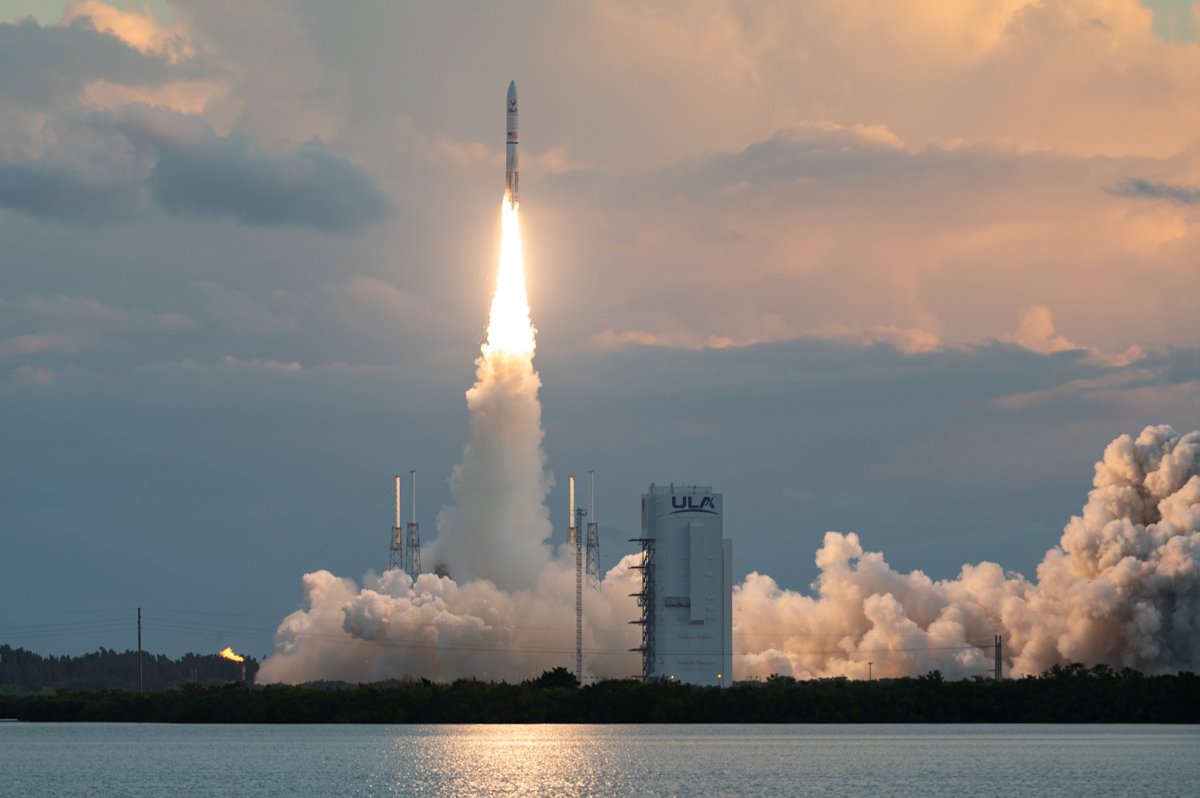
Friday the 13th was supposed to be a two-rocket day. It's down to one. United Launch Alliance scrubbed the planned return to flight of its Vulcan rocket on Friday morning, hours before its 12:54 p.m. ET window, after a power interruption hit the high-pressure pumps at the gaseous nitrogen plant that fuels the rocket. ULA now targets 12:32 p.m. ET on Saturday from Launch Complex 41 at Cape Canaveral.
The scrub stings because this flight was nine months in the making. Vulcan has been grounded since February 12, when a solid rocket booster nozzle failed about 30 seconds into flight — the second nozzle breakup on a Vulcan flight, after the same failure on its second launch in October 2024. The rocket had been rolled 2.7 miles by rail to the pad for its comeback: a fifth flight since its January 2024 debut, and the first ever with the maximum six solid rocket boosters strapped on.
The payload is the real story. Forty Amazon Leo satellites — the largest single batch Amazon has ever sent up, and the first time Vulcan has carried any of them. The launch would push the constellation to 336 satellites deployed since April 2025, on its way to a planned 3,200 meant to rival SpaceX's Starlink. Amazon has 38 Vulcan launches contracted for the network, and Leo is already running behind: it missed the FCC's July 30 deadline to have half the constellation in orbit, and is flying on a waiver.
So the evening now belongs entirely to SpaceX. Starship's 15th test flight is still set for a window opening at 5:45 p.m. ET from Starbase, Texas, with the first-ever attempt to catch both stages — the Super Heavy booster and the Ship — back at the tower. SpaceX has caught the booster three times; it has never tried to fly the upper stage home.
Two things to watch. First, whether Saturday's 29-minute window holds — a second scrub turns a one-day slip into a question about the ground systems, not the rocket. And second, whether Vulcan's comeback can start the cadence Amazon needs: ULA once promised roughly two Vulcan flights a month, and at the rate it's actually flying, Leo's 38 contracted launches stretch far past the point Starlink stops waiting.
— via Florida Today