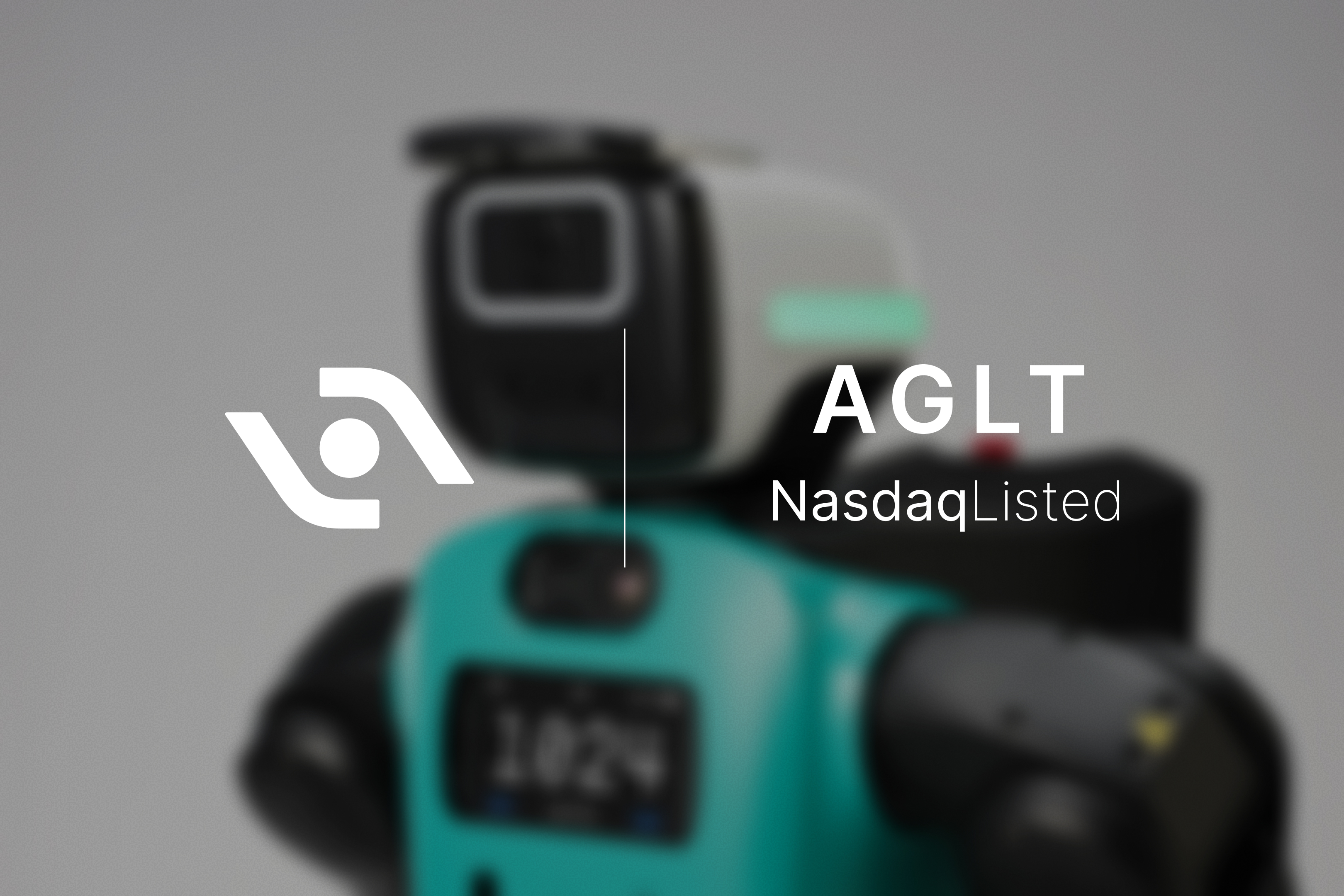
Humanoid robots just got their first pure-play stock. Agility Robotics began trading on the Nasdaq today under the ticker AGLT, completing a SPAC merger with Churchill Capital Corp XI that raised roughly $465 million, according to Securities.io. The deal values the company at about $2.5 billion — and puts Wall Street's first direct bet on a humanoid robotics company with robots working in warehouses today.
That's the distinction Agility is leaning on. Digit has logged more than 65,000 hours of real-world operation at customers including GXO, Schaeffler, and Toyota Motor Manufacturing Canada. At GXO's Georgia logistics facility, Digit has moved more than 100,000 totes. CEO Peggy Johnson put it plainly: "Digit is doing real work in customer operations today, taking on repetitive, physically demanding tasks."
The pitch to investors, though, is less about the robot working today than the one arriving next year. Digit 5, unveiled in September, is designed to lift up to 50 pounds, recharge in nine minutes, and deliver more than 20 hours of productive work in a 24-hour day. Agility claims more than $300 million in committed multi-year orders for the new model — though those are subject to milestones, which is to say commitments, not revenue. Early customer access is expected in the first half of 2027.
The financing tells its own story about who believes in this. The deal includes a $201 million private investment led by Foxconn, plus $100 million of equity funding received before closing. Agility's backers include Nvidia, Amazon, and SoftBank's Vision Fund 2. The proceeds will fund order fulfillment and production at RoboFab, its 70,000-square-foot Salem, Oregon facility designed for up to 10,000 robots a year.
One number in the filings should sober any enthusiasm: in 2025, Agility reported just $1.8 million in revenue against a net loss of about $138 million. The gap between that and a $2.5 billion valuation is the entire humanoid bet — that warehouses will buy robots the way they once bought forklifts, and that the first company to prove it at scale wins a market that doesn't exist yet.
The timing is not accidental. Meta unveiled its own humanoid, Max, earlier this week. Agility's argument is that it got there first in the only way that matters: its robots are already on the floor, moving totes, while everyone else is still showing demos. The public market will now price that claim, every trading day.
— via Securities.io