Apple's most unusual wearable is nearly finished — and the people most skeptical about shipping it work at Apple.
Camera-equipped AirPods are in internal design validation testing, Hardware Busters reports, citing Bloomberg's Mark Gurman. Apple employees are actively using prototypes, and the next step is production validation testing — the run-up to early mass production. The hardware is, by most accounts, ready.
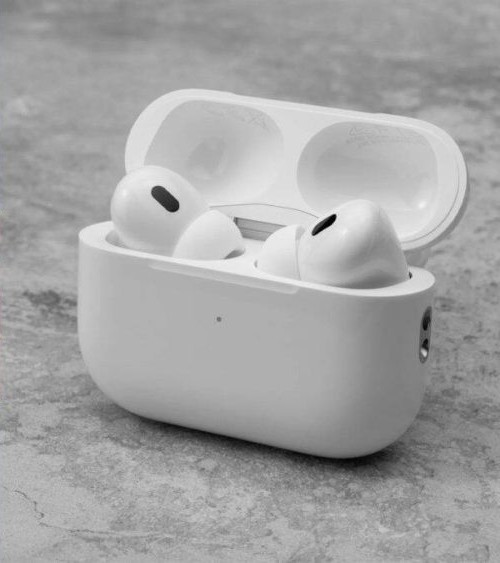
The concept: a camera on each earbud that acts as eyes for Siri, capturing low-resolution visual information rather than photos or video — the ingredients on your table, a landmark ahead, a turn in your directions. The prototypes reportedly resemble the AirPods Pro 3 with longer stems to house the sensors, and a small LED lights up whenever visual data is processed.
Here's the twist: according to the report, some Apple executives think the privacy trade-off isn't worth it yet. The concern is reportedly a "significant privacy risk without compelling use cases" — that Siri's visual intelligence isn't good enough to justify putting cameras in the world's most ubiquitous earbuds. The hardware may be ready, but the software argument isn't winning the room.
That tension explains the timeline, which has slipped repeatedly. An early target of the first half of this year gave way as Siri's overhaul fell behind — delays the outlet ties to a Siri-related lawsuit Apple recently settled for $250 million. The current chatter points to 2027, possibly folded into the AirPods Pro line rather than the rumored "AirPods Ultra" branding.
The skepticism extends beyond Cupertino. Analyst Anshel Sag of Moor Insights & Strategy said vision-based location is the most obvious use case but the camera can't stay on long due to battery limits — and he's against the idea. A University of Washington paper found bolted-on cameras roughly halved an AirPods Pro 2's battery life, to just over three hours.
Apple has earned the right to be careful here. Meta only recently fixed a bug that had its Ray-Ban glasses recording without a wake word — the exact scenario Apple's LED indicator is meant to prevent. If Apple's own privacy-first identity can't settle the question internally, the use cases really do need to be compelling.
What to watch: whether Siri AI gets good enough to carry the pitch, and whether Apple's reported smart glasses and AI pendant — due as early as 2027 — end up the cleaner answer to the same question.
— via Hardware Busters