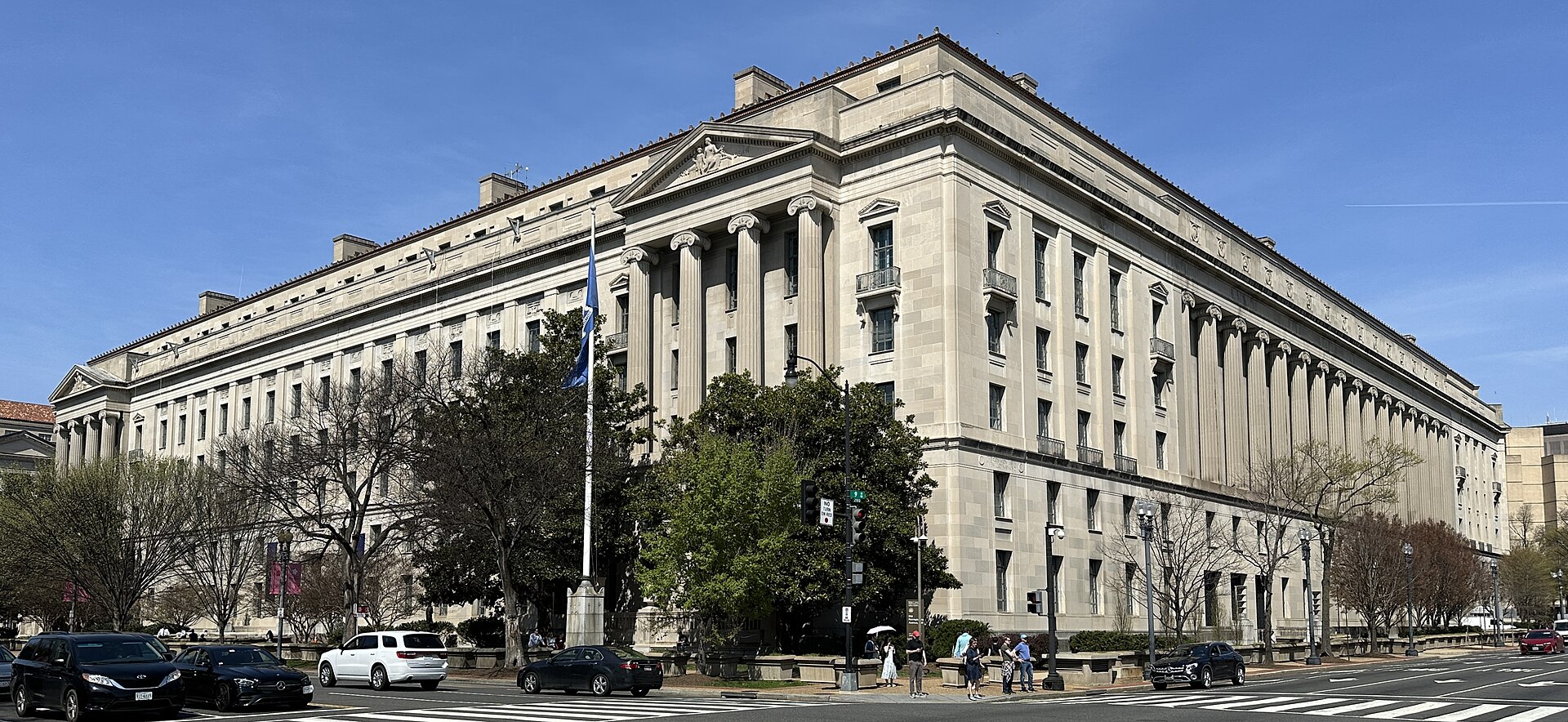
The Justice Department has a new unit for policing AI — and the first thing it did was rename the thing it's policing. The department announced Thursday the creation of the Super Intelligence Task Force, or DOJ-SITF, charged with making sure American leadership in "super intelligence" isn't compromised by foreign states, criminal organizations, or fraudsters, according to Government Executive.
The name isn't a flourish. President Trump signed an executive order in late September instructing federal agencies to refer to artificial intelligence as "super intelligence," calling it more accurate. The DOJ's task force is the first enforcement body built around that vocabulary — a sign the rebrand isn't a memo, it's a program.
The unit will be co-chaired by Associate Attorney General Stanley Woodward and Associate Deputy Attorney General Stephen Weiss, and it absorbs the AI Litigation Task Force created in January under former Attorney General Pam Bondi. Its mandate is broad: organize the department's criminal and civil enforcement involving AI, recommend enforcement priorities, develop prosecution guidance for unlawful AI conduct, and serve as the DOJ's main point of contact with the White House's Super Intelligence Force, chaired by Director of National Intelligence Jay Clayton.
Attorney General Todd Blanche, who established the task force in an October 13 memo, said the department "will continue identifying and prosecuting individuals whose use of SI violates the law, including by maliciously targeting American taxpayers, critical U.S. infrastructure, or other aspects of our national security." He added that the task force "will also take affirmative measures, as appropriate, to promote American SI dominance" — enforcement and industrial policy in the same sentence.
The timing is hard to miss. The announcement lands in a week when AI misuse has dominated the security news — an AI-driven attack that exposed every Chainalysis user's credentials, and OpenAI's new GPT-6 Cyber model, which the company rated its first "Critical" cyber risk and restricted to vetted customers. The DOJ is, in effect, building the prosecutorial counterpart to the threat the labs are now openly naming.
What remains undefined is the part that matters most: where the line falls. "Misuse" is doing a lot of work in the announcement, and the task force's real power will be in the enforcement priorities and prosecution guidance it writes next. Pentagon CTO Emil Michael, the task force's vice chair, said at a Wall Street Journal tech conference this week that the team will release details about its AI regulatory landscape later this month. That's the document to watch — it will say whether "super intelligence" enforcement means going after foreign hackers and fraud rings, or something wider.
— via Government Executive