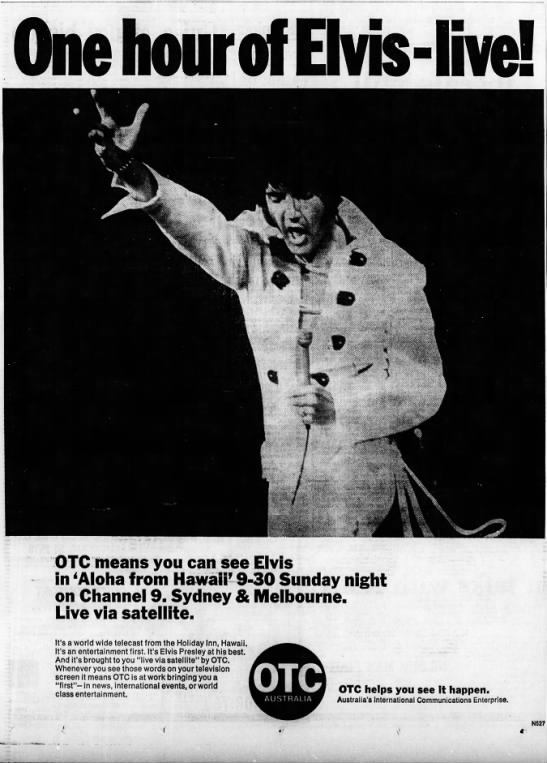
Tennessee passed a law in 2024 to stop AI companies from cloning a singer's voice. It named the law after Elvis Presley. On Friday, his estate used it.
Elvis Presley Enterprises and other rights holders filed a 51-page federal complaint against Suno in the Northern District of California, alleging it copies Presley's songs to train its models and produces tracks imitating his voice. The same day, Eminem's publisher Eight Mile Style filed its own suit over 269 compositions. Both are allegations, not findings — but they move the fight from training data to identity.
The Presley case is the one to watch. The complaint says Suno copied 859 Presley compositions for training, and it invokes the ELVIS Act, which makes it illegal for an AI company to clone a performer's voice. It reportedly says Suno produced an Elvis clone as recently as last month. The plaintiffs seek up to $150,000 per song willfully infringed — nearly $129 million at the maximum, plus further damages under Tennessee law.
The Eminem case is narrower in subject and bigger in number. Eight Mile Style controls 269 compositions, including "Lose Yourself" and "The Real Slim Shady," and alleges Suno copied them for training, stripped copyright information, and generated tracks reproducing the lyrics word for word. It seeks about $41 million in statutory damages — $150,000 per song — plus further claims bringing the total to roughly $47.7 million. Eminem himself is not a plaintiff, Music Times reported.
Both suits were filed by attorney Richard Busch, who also sued Anthropic for the Presley estate two weeks ago. His framing in the Presley complaint, as reported by The Verge: "Suno has mechanically encoded itself with artists' identities, hard-work, creativity, and time, and harnessed them all for a consistent conveyor belt of cold hard cash."
Suno denies wrongdoing. Spokesperson Cat McCormack told The Verge: "Suno exists to help people create new, original music, not to trade on anyone's name or likeness, and we prohibit any unauthorized use of an artist's work."
The suits mirror one filed in September by Jason Isbell and others, adding to litigation from Sony, Universal and Reservoir Media; Warner settled in 2025. What is new is the theory: the Presley filing is one of the first major tests of a state law written to stop AI voice cloning — tested by the estate of the man the law is named after. If it holds, every AI music service must answer not just for what it trained on, but for whose voice comes out the other end.
— via Music Times