The federal ban on jamming radio signals is older than radar. Section 333 of the Communications Act of 1934 forbids willfully or maliciously interfering with anyone's communications, and for 92 years it has held — with only narrow exceptions for some federal facilities. On November 19, the FCC votes on whether to write the first real exception for state and local prisons.
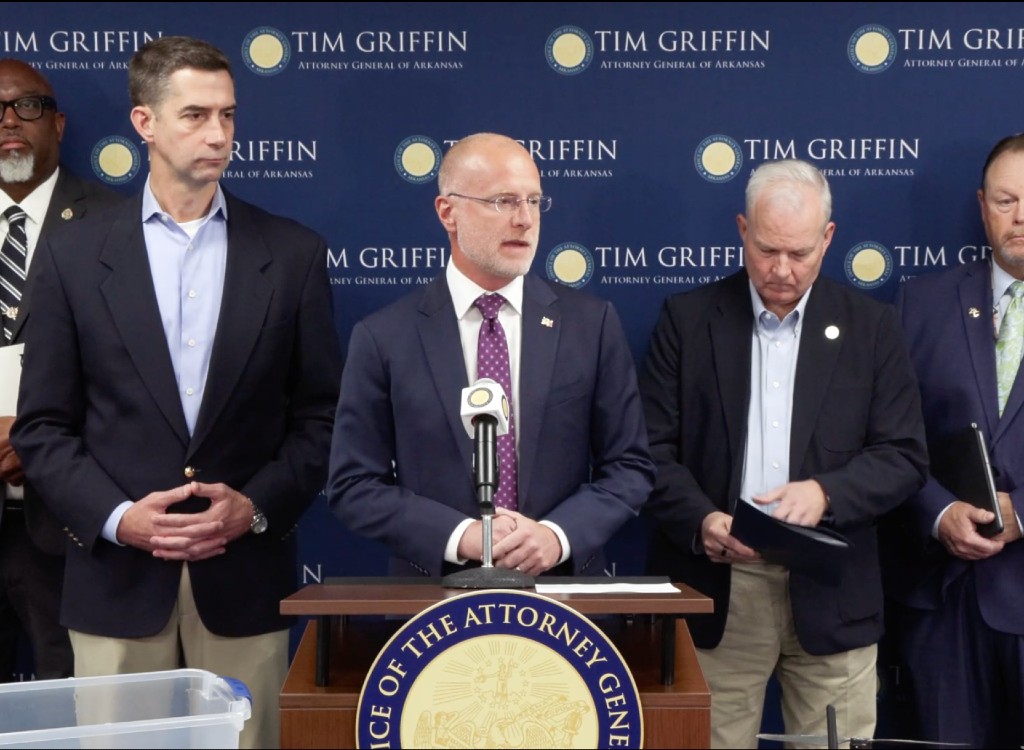
FCC Chairman Brendan Carr announced the vote Wednesday at a press conference in Little Rock, flanked by Sen. Tom Cotton (R-Ark.) and Arkansas Attorney General Tim Griffin, according to Broadband Breakfast. The draft order, to be circulated to commissioners in the coming days, would authorize — but not require — correctional facilities to deploy targeted jamming. Facilities would need to prove their equipment stays inside containment zones, pass initial and ongoing testing, and give advance notice to wireless carriers, emergency services, and local authorities.
The case for it is the one corrections officials have been making for a decade: the phones pouring into prisons aren't calling home. "Over a half a million, roughly 500,000 inmates right now have had access to contraband cell phones," Carr said, adding that inmates use them to order attacks, coordinate kidnappings, run drug operations and engage in child sexual exploitation. A 2024 study found authorities recovered more than 25,000 contraband phones in a single year — two facilities seized over 6,000 each. "This isn't gonna be a silver bullet at the end of the day," Carr conceded, "but is a tool that has been denied law enforcement, and corrections officials, for too long."
But here's the wrinkle jamming can't fix: the same contraband phones that run criminal enterprises from cells are also, in some prisons, the only cameras the public has. Incarcerated journalists have warned that jamming would make it harder to document abuse — and evidence transmitted via contraband phones helped trigger a 2024 Justice Department investigation into Georgia's prison system, which found what investigators described as severe conditions. FCC Commissioner Anna Gomez has previously recommended starting with a pilot program to measure the effects on surrounding communities, and wireless industry and emergency-response advocates warn the 911 risk can be reduced but not eliminated.
The politics are mostly bipartisan — Cotton introduced the Cellphone Jamming Reform Act last year, Rep. Kat Cammack pressed Carr to advance the rulemaking — and jamming joins a menu of already-deployed tools: body scanners, drone detection, and managed-access systems that whitelist approved devices rather than blacking out everything. The fight on November 19 won't be over whether phones in prisons are a problem; everyone agrees they are. It'll be over whether the fix is a dead zone — and who gets to see inside one.
— via Broadband Breakfast