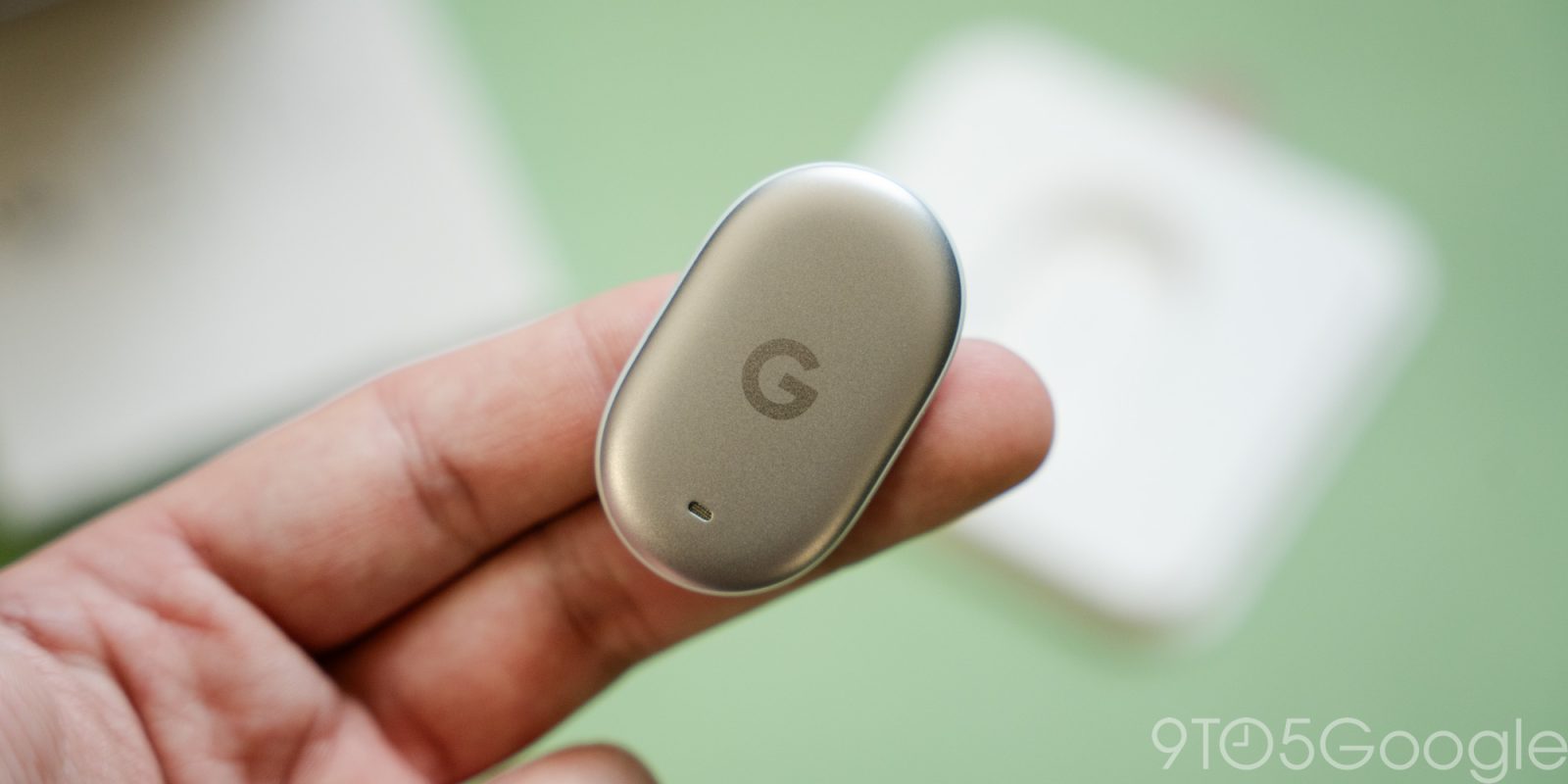
Android has waited years for its AirTag moment, and Google is finally shipping it. The Pixel Tag — announced back in August at Made by Google '26 alongside the Pixel 11 — goes on sale tomorrow, November 11, at $29.99 for one or $99.99 for a four-pack, according to Google's November Pixel Drop announcement. And the first reviews, published today, are unusually effusive: 9to5Google calls it "the obvious gold standard in the race to build an AirTag for Android devices."
The pitch is integration, not novelty. The tag pairs through Fast Pair, reports its location through Google's Find Hub network of more than a billion Android devices, and adds the polish third-party trackers never quite managed: a double-tap on its button rings your phone, "left behind" alerts come with exclusion zones for home and work, and the ringer volume is adjustable — a small thing 9to5Google calls "the reason to buy Pixel Tag over any other Android tracker." Ultra Wideband gives close-range directional guidance, and a surprise NFC chip Google never mentioned in August lets you tap the tag to a phone to open its settings. Inside is a standard CR2032 battery Google says lasts over a year.
There are caveats, and the reviewers don't hide them. The tag has no built-in way to attach to anything — you'll need a case, and Google's partner Bellroy sells a two-pack for $24.99. UWB's directional cues vanish within about 10–12 feet, per 9to5Google's testing. And the Find Hub network itself remains the weak link: Google's privacy-driven decision to effectively disable the network outside crowded areas did lasting damage, and the reviewer says it's "still hit or miss" even two years on. Android Authority's real-world test was kinder — a left-behind alert in under five minutes on a busy downtown street, with UWB leading to the exact spot.
The tag doesn't arrive alone. Today's Pixel Drop also brings Gemini Intelligence to Pixel 10 devices, including Rambler, which turns rambling voice dictation into polished text, and multi-step task handling — groceries, rides, takeout, reservations — now available in Japan, the UK and India. Pixel 11 gets a more conversational Call Screen, and Google Fi launches a "super network" that switches between two 5G networks. Taken together, it's the most complete version of Google's ecosystem pitch yet: the tracker for your keys, the AI for your errands, the network underneath both. The question now is whether the Find Hub network — the part Google can't fix with hardware — is finally good enough to carry it.
— via 9to5Google