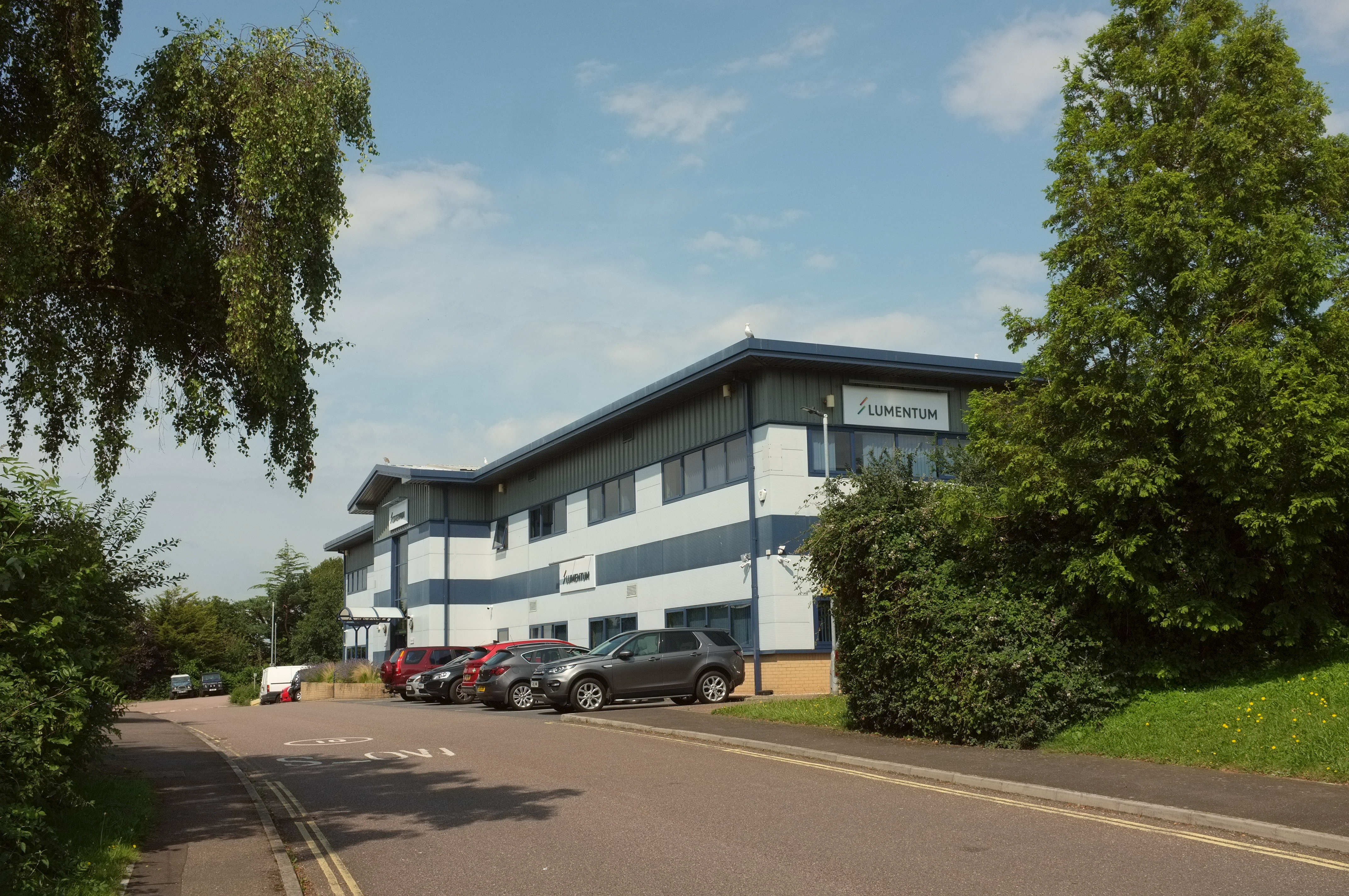
The leak is now a signature. On Monday, Marvell Technology and Lumentum announced a definitive agreement for Marvell to acquire the optical-components maker in an all-stock deal worth roughly $115 billion — one of the largest tech transactions of 2026, and a direct wager on how AI data centers will be wired.
The terms, laid out in the companies' joint announcement, are unambiguous: Lumentum shareholders get a fixed 4.5 Marvell shares for every share they hold, implying about $1,132 per share and a 23.9% premium over Lumentum's unaffected close on October 28, the last trading day before the deal speculation broke. When it closes, Marvell holders will own about 67% of the combined company to Lumentum's 33%. Both boards approved unanimously; Marvell CEO Matt Murphy stays on as chairman and chief executive, with Lumentum CEO Michael Hurlston and two other Lumentum directors joining the board.
The thesis is simple and arguably overdue. The AI boom spent two years obsessing over accelerators, but the less visible constraint is how those chips talk to each other — and copper is running out of room. Copper links work over short distances inside a rack; anything longer needs fiber, and every fiber link needs a laser at one end. Marvell already sells the DSPs and switch chips on the electrical side of that link. Lumentum makes the indium-phosphide lasers and optical circuit switches on the other. One company now designs the chip that shapes the signal, the laser that carries it, and the switch that routes it. As Murphy put it, AI infrastructure is "undergoing a fundamental architectural shift toward optical connectivity" — and he called the combination "a once in a generation opportunity."
Lumentum arrived at the altar with momentum: fiscal first-quarter revenue of about $1.26 billion, slightly ahead of analyst consensus and led by pump lasers and optical circuit switches, plus a second major co-packaged-optics program backed by more than $5 billion in purchase commitments. Marvell promised more than $1 billion in annual run-rate cost synergies and said the deal will be accretive to non-GAAP earnings per share in the first year after closing.
But the real tension in this deal isn't technical — it's triangular. Nvidia invested $2 billion each in Lumentum and rival Coherent earlier this year to lock up optical supply, as Dow Jones reported, and separately took a $2 billion stake in Marvell itself. A combined Marvell-Lumentum would be Nvidia's supplier and the designer of custom chips for Nvidia's cloud rivals at the same time. The hyperscalers may not love a single integrated vendor — and Coherent just got its upgrade.
Then there's the calendar. Closing isn't expected until the first half of 2028, and the merger agreement, signed November 1, lets either side walk away after November 1, 2027 if approvals drag — with a $3.2 billion fee if regulators kill it. Intel's $5.4 billion Tower Semiconductor deal died in 2023 when China's approval never came; this one is far larger and touches exactly the technology both countries care about. Two and a half years is an eternity in the AI buildout, and Marvell just bet $115 billion in its own stock that light beats copper by the time the ink dries.
— via SaveDelete