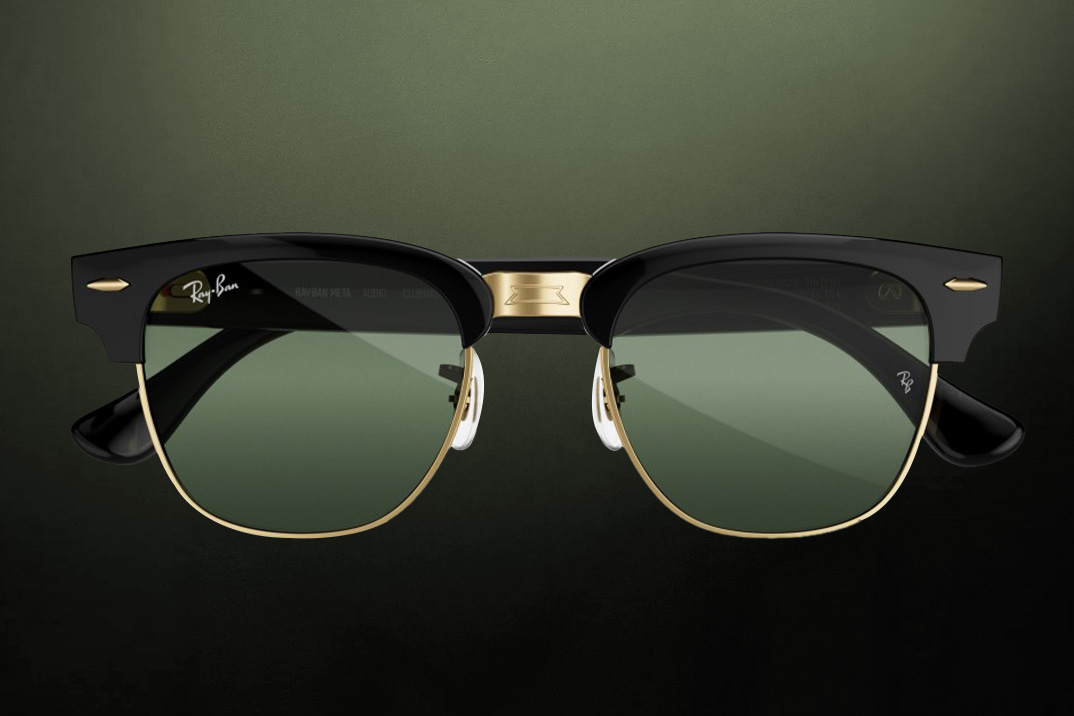
The smart glasses wars are moving off the hardware and onto the services that live on your face — and Korea's biggest internet company just fired the first shot. Telecompaper reports Naver has announced real-time navigation built for smart glasses, struck under deals with Google, Samsung, and Meta, and claims it's the first Korean digital map service to do it.
The rollout order is the interesting part. Naver's navigation will land first on Meta's Ray-Ban and Oakley glasses — the hardware with actual install base, given Meta's grip on the category — then come to Google and Samsung's intelligent eyewear, which are slated for release later this year. Samsung's display-free glasses, unveiled at its London Unpacked with Gentle Monster and Warby Parker frames, are explicitly positioned as audio-first devices, which makes turn-by-turn voice directions the obvious killer app rather than a nice extra.
There's a home-turf story underneath the launch. Naver dominates mapping in Korea, where Google Maps has historically been hobbled by map-data restrictions — so this is as much about defending that moat as it is about glasses. If the next computing surface is your face and navigation is its first indispensable use case, the company that owns the default route planner owns the platform relationship. Google has spent years paying Samsung billions to keep Gemini the default assistant on Galaxy devices; Naver is betting maps are the wedge that keeps Google out of Korea's newest screen.
Watch what happens when Google's own XR glasses ship. Naver's deal with Google presumably gets its navigation on the Android XR platform, which would be a small concession in a very large chess match: Google tolerating a rival's maps on its glasses because Korea's map data is still a regulatory moat it can't cross on its own. The glasses makers need services like this to make the hardware matter; the service giants need the glasses to keep owning the user. Everybody's first move is friendly. Nobody's second one will be.
— via Telecompaper