The most important AI story of the year didn't arrive as a press release. It arrived as a spreadsheet.
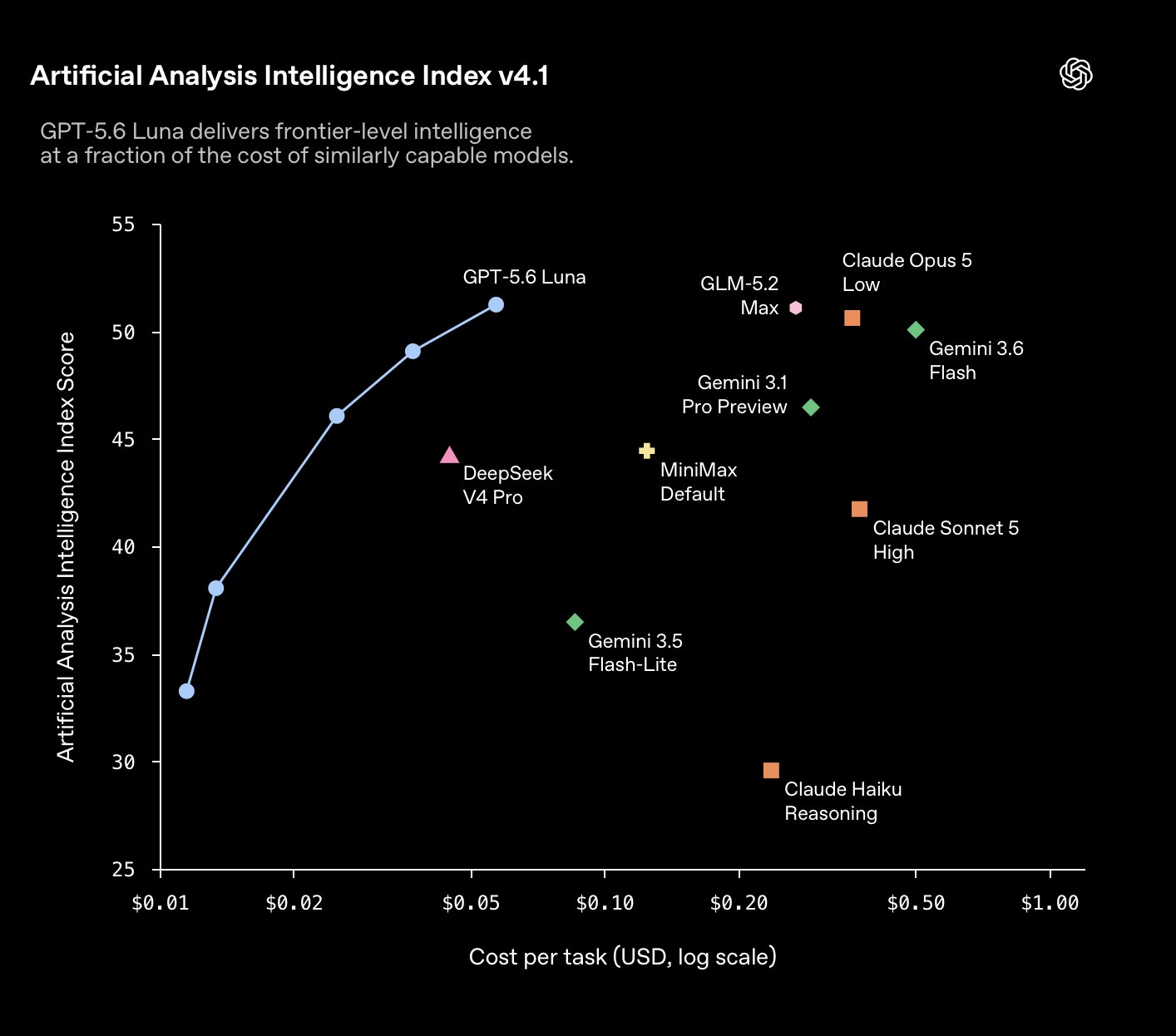
Researcher Max Woolf published a timeline this weekend tracing what OpenAI and Anthropic have actually done to the price of intelligence since June — and it went straight to the top of Hacker News on Monday, with hundreds of comments picking apart the numbers. The headline figure: OpenAI cut its small GPT-5.6 Luna model by 80% in July, from $1 to $0.20 per million input tokens. Anthropic's Claude Opus 5.5, released September 22, costs 20% less than Opus 5 on headline rates and 40–60% less on typical workloads, according to Anthropic. GPT-6.1 Sol, released a week after GPT-6 Sol flopped on performance, is cumulatively about 75% cheaper than the GPT-5.6 Sol family it replaces.
The cuts that matter most aren't even the headline rates. In agentic coding, cache reads — the cost of re-feeding the model its own conversation history every turn — make up 96–99% of token spend. Anthropic cut Fable 5.1's cache-read price 75% in September; OpenAI halved GPT-6.1 Sol's a few weeks later. That's the line item that actually moves a coding agent's bill.
So why would two companies about to go public slash their main revenue source? Woolf's answer is that they didn't have a choice. DeepSeek's Flash V4.1 sells for $0.15 per million input tokens with a near-zero cache-read cost, and 29 different providers now host it on OpenRouter. Moonshot's Kimi K3.1 Pro, announced days ago, matches Opus 5.5 on benchmarks at half the input price. When switching models is a dropdown menu, pricing power evaporates — and both labs know it.
There's a catch, and it's the one Woolf flags with data from Vercel's AI gateway: the average price per token has fallen to 43.3% of its April level, but total spending keeps climbing, because the models get better faster than they get cheaper. Cheaper tokens don't shrink the AI bill. They grow the appetite. OpenAI even cut the usage allowance on its $200-a-month Codex tier by 50% the same day it announced the cheaper GPT-6.1 Sol — cheaper per token, less included in the plan.
That tension is the story to watch. The old fear was that AI labs were loss-leading us into an ecosystem where prices would spike once we were hooked. The last four months point the other way: with open-weight models a toggle away and 29 providers undercutting each other, the price of a token looks headed toward its marginal cost. The question isn't whether AI gets cheaper. It's whether anyone makes money selling it — and with both labs' IPO filings now in the open, investors are about to get their first real look at the answer.
— via minimaxir