If you visited CNN, the BBC, or Zoom on Monday, your browser may have loaded malware — and none of those sites was hacked.
That's the shape of the attack uncovered Monday by security researcher Scott Helme of Report URI: instead of breaking into 178 organizations one by one, the attackers went through Optimizely, the A/B-testing platform whose JavaScript snippet loads on nearly every page of its customers' sites. Helme's team checked 1,611 Optimizely scripts and found malicious code in 188 of them, belonging to 178 organizations, according to BleepingComputer.
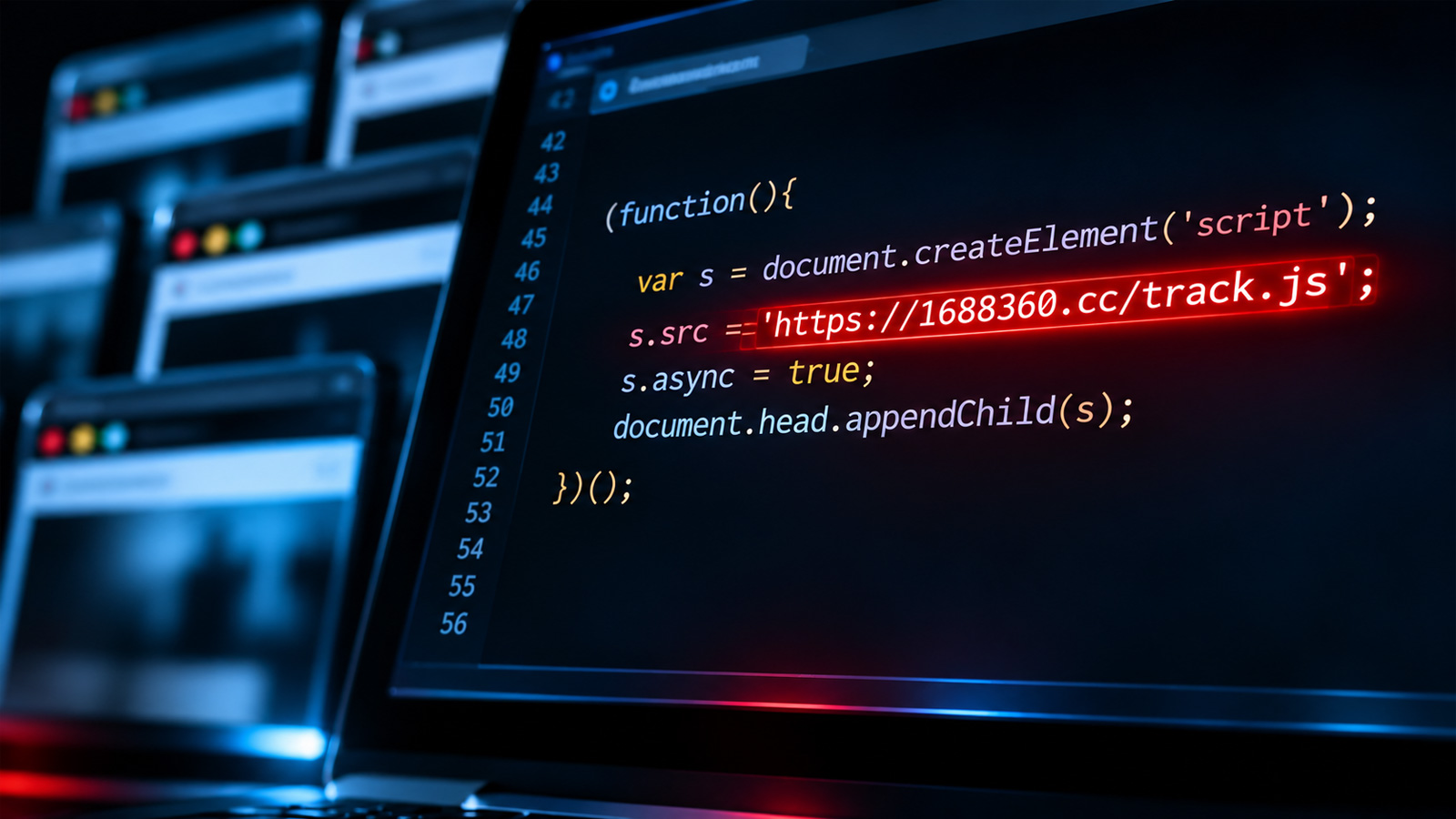
The injected code pulled in a second-stage script, `track.js`, that did four things at once. It watched pages for cryptocurrency wallet addresses and swapped in the attackers' own. It skimmed credit card numbers, expiry dates, and security codes typed into web forms. It harvested cookies, page URLs, and screenshots. And on iPhones and iPads, it tried to load the Coruna and DarkSword exploit kits, which target older iOS versions. The crypto hijacking alone netted roughly $7,000 on Monday, most of it in bitcoin.
Optimizely confirmed to BleepingComputer that an attacker exploited a vulnerability in the signup flow for its Experimentation accounts to inject the code into customer projects. The company says it blocked the vulnerable path, fixed the flaw, and removed the code. By 21:52 UTC on Monday, only one of the 188 infected files still carried it. The earliest injection Helme spotted was in the BBC's script in the early hours of Monday — so the code was live on some of the internet's busiest sites for roughly 17 hours.
What Optimizely hasn't explained is the part that matters most: how one attacker got write access to so many unrelated customer projects, and how many visitors were actually exposed. Until that answer lands, the incident is a reminder of how the modern web actually works. The sites you trust don't run alone — they load code from dozens of vendors, and one vendor's signup-form bug can turn the BBC into a card skimmer. The fix on your end is unglamorous: if you visited an affected site on Monday, check your card statements, and make sure your iPhone is on iOS 18.7.3 or later, or iOS 26.3 or later. The next question is whether the same attacker tries the same trick through another supplier — researchers tracking the campaign as OPTIMJACK suspect the same crew hit other script providers days earlier.
— via BleepingComputer