Samsung just had the most profitable quarter in tech history. The market's response: sell.
The world's largest memory maker reported Thursday that third-quarter operating profit reached 107.44 trillion won — roughly $80 billion — up 783% from a year earlier, making Samsung the first company ever to clear 100 trillion won in a single quarter's operating profit, according to the Seoul Economic Daily. Revenue hit 195.25 trillion won, and the operating margin was a staggering 55% — Samsung kept 55 won of profit on every 100 won of sales.
And in Seoul, the stock closed 4.13% lower, after falling as much as 6.2% intraday, Reuters reported.
Nobody is confused about why the biggest quarter ever got a shrug. The numbers matched the guidance Samsung pre-announced on October 8, and investors had already priced in the memory supercycle. What they wanted — new detail on the giant shareholder-return plan — got deferred to January.
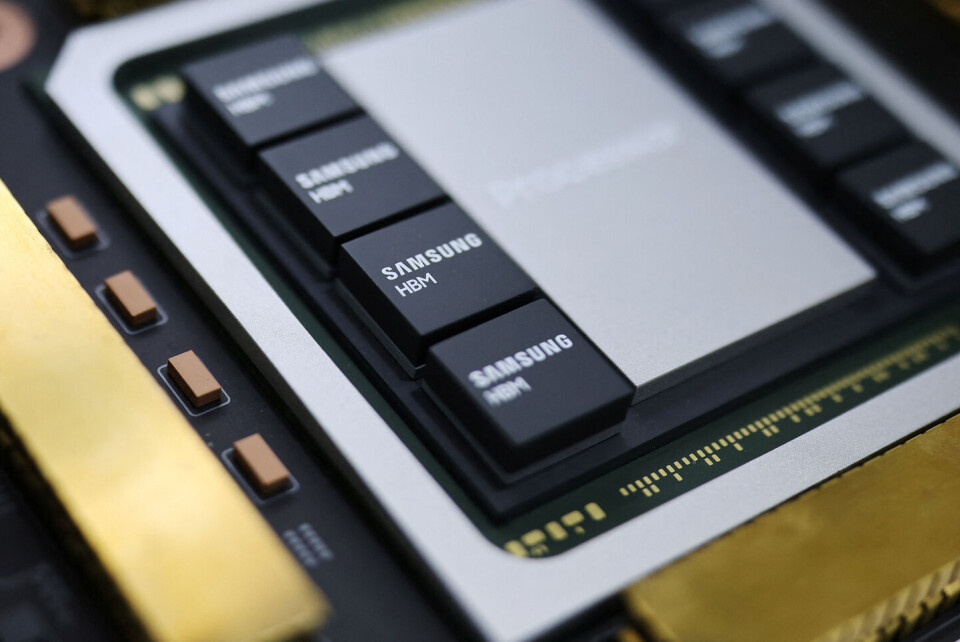
Strip out the disappointment and the story is remarkable for what it says about where the AI boom's money actually lands. Samsung's chip division earned 106.5 trillion won of the 107.4 trillion total — about 99% of group profit — and the Device Solutions unit topped 100 trillion won for the first time ever. Memory revenue alone surged 427% year over year to 140.7 trillion won on high-bandwidth memory and server DRAM demand, the second straight quarter of 400%+ growth.
Here's the twist: the memory boom is so violent that Samsung's own phone business is paying for it. The Device eXperience division — phones, TVs, appliances — posted an operating loss for a second consecutive quarter, squeezed by the same component costs that made the chip division a fortune. Samsung is now, financially speaking, a memory company that happens to sell phones.
That dynamic is unlikely to ease. Jaejune Kim, EVP of memory global sales and marketing, told the earnings call that "our 2027 HBM supply volume is already sold out at an agreed target price that reflects our product competitiveness, yet we continue to receive requests from key customers for additional supply." Samsung expects AI memory demand to outpace supply by an even wider margin in 2027 than in 2026 — the shortage deepens.
A day earlier, SK Hynix posted its own record quarter and warned the shortage runs to 2030. The two Korean giants now sell roughly a year ahead of themselves, at DRAM operating margins near 79%. If you've been waiting for the memory price relief that makes phones, PCs, and servers cheaper — stop. There's no cavalry coming.
Watch next: whether Apple, which reports earnings Monday, can keep hardware margins intact while its memory suppliers print money at its expense.
— via Seoul Economic Daily