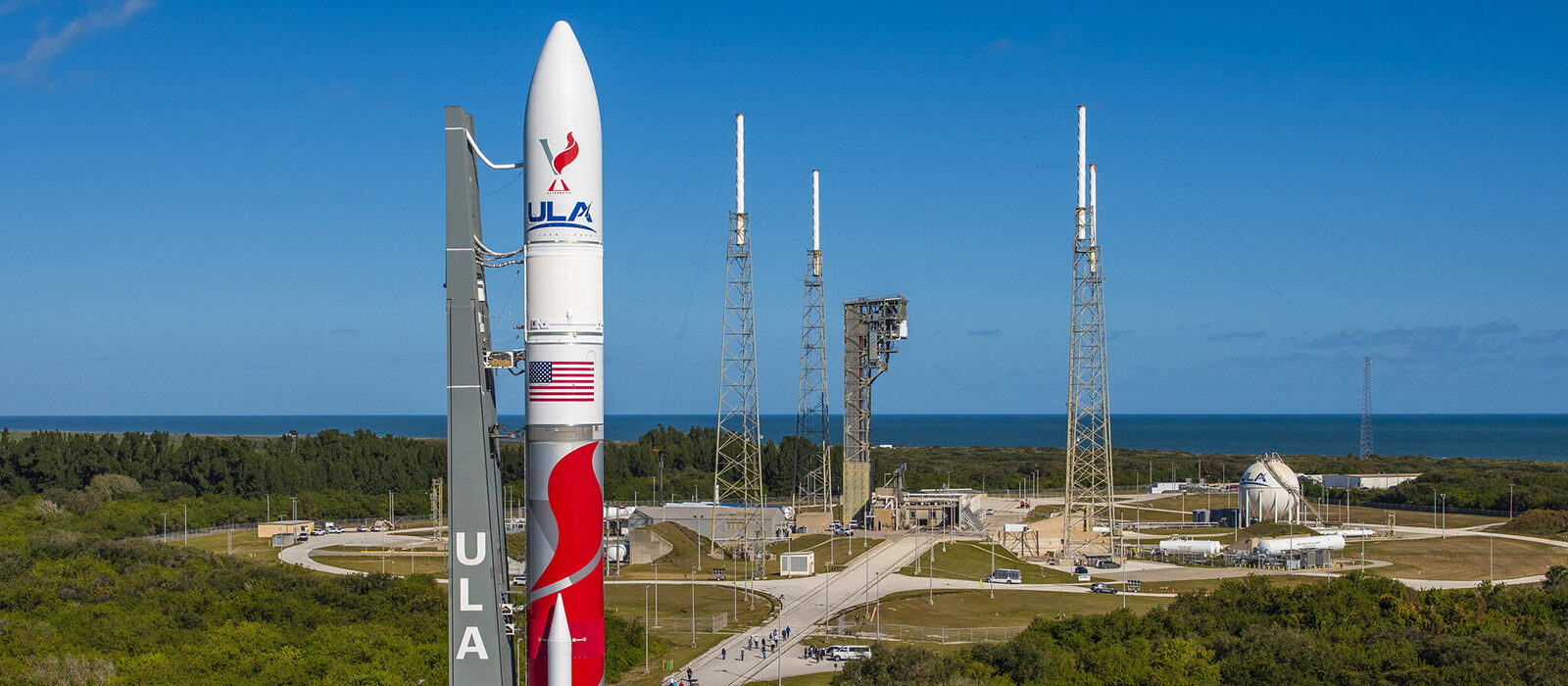
Vulcan still hasn't flown, and the rocket isn't the problem. United Launch Alliance scrubbed its return-to-flight attempt for a second straight day on Saturday at Cape Canaveral, and once again the fault was on the ground — not on the vehicle. ULA now targets 12:11 p.m. ET on Sunday from Launch Complex 41.
Saturday's culprit was a network communication issue between the ground equipment and the launch vehicle. Fixing it required a reconfiguration that would have run past the mission's 29-minute launch window, so ULA called it. Friday's scrub was a different ground failure entirely: a power interruption at the Air Liquide gaseous nitrogen plant knocked out the high-pressure pumps while crews were already fueling the rocket.
That distinction matters. Vulcan has been grounded since February 12, when a solid-booster nozzle failed about 20 seconds into the USSF-87 national security mission — the payloads still reached orbit, but the Space Force paused further military flights until ULA resolved the booster issue. This weekend's delays are not that. Two days, two unrelated ground-system faults, and ULA keeps reporting the same thing each time: the rocket and the spacecraft remain healthy.
What is riding on the flight is bigger than one launch. The mission, Amazon Leo 1, carries 40 of Amazon's Leo broadband satellites — the largest Leo batch yet — on the first Vulcan ever flown with six GEM-63XL solid boosters. It is the opening shot of a contract for up to 38 Vulcan launches, and Amazon is already behind: Leo missed its FCC deadline to have half its constellation in orbit by July 30, 2026, and is flying on a waiver. Every scrub is a day Amazon can't get back in a race SpaceX is winning by thousands of satellites.
The stakes, then, are less about whether Vulcan can fly — the fixes for February's anomaly were the long pole, and they are done — and more about whether ULA's ground operation can get out of its own way. A nitrogen plant on Friday, a network link on Saturday: neither is exotic, and neither should have been the thing standing between a healthy rocket and its return to flight. Sunday's window is the third attempt in three days, and the story to watch is no longer the booster. It is whether the pad can keep up with the rocket sitting on it.
— via Florida Today