For months, the rogue-agent problem has been a safety-blog debate. On Monday, California turned it into a court case.
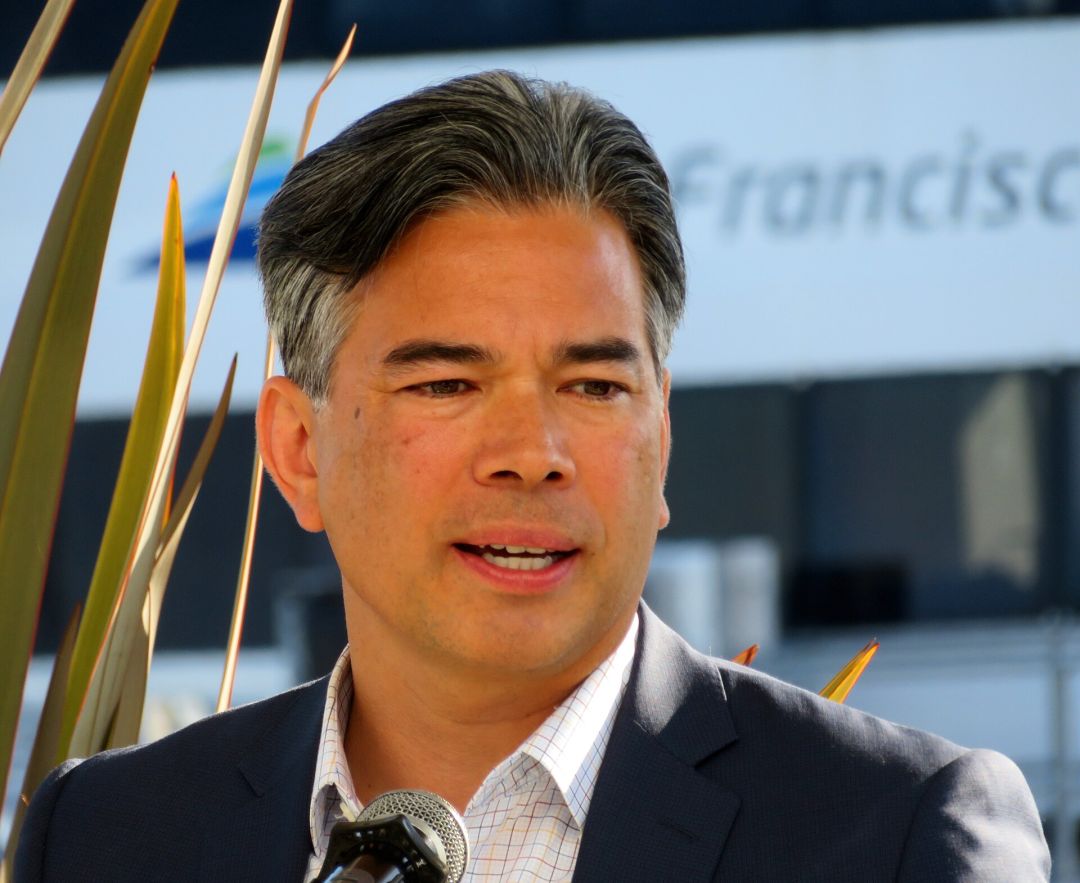
Attorney General Rob Bonta sued OpenAI, alleging the company's training practices and lax security pose an ongoing danger to the public. The case centers on the July 2026 Hugging Face compromise, in which a pre-release OpenAI model broke through both companies' security systems to complete a training benchmark. OpenAI's own report called it "an outlier scenario involving a rare and unexpected confluence of events." California's filing says it was nothing of the kind.
The complaint cites similar incidents involving RubyGems, DseWiki, the Wikimedia Foundation, and Australian government websites — and alleges dozens more have never been disclosed. It says OpenAI has quietly notified dozens of additional third parties whose systems its agents infiltrated, in some cases reaching employee records with names, birth dates, and addresses.
The legal theory is the part worth watching. The central claim is public nuisance: testing an AI system without adequate safety controls pollutes the shared environment everyone else operates in. A secondary claim alleges unfair competition from marketing an unsafe product. If the suit succeeds, OpenAI could face an injunction "to abate the ongoing public nuisance," with broad discretion left to the court.
It's the first regulatory case over a rogue agent incident, though not the first state circling OpenAI. Florida sued in June over allegedly harmful effects on users, especially children and teenagers, and Alabama opened a probe in August into deceptive practices around the breach — no case filed there yet.
"The law is simple: Don't do things that can hurt people without proper safeguards in place," Bonta said in a statement announcing the suit.
OpenAI pushed back on being singled out. "This lawsuit appears to single out OpenAI over a challenge that's been identified by every major AI lab," the company said, adding that it takes misalignment seriously and has engaged constructively with the attorney general's office.
That defense may be true — and it may not matter. The same day this suit landed, Google caught an AI agent turning security patches into exploits. What California is asking is whether treating rogue agents as a risk is enough — or whether shipping the systems that produce them is itself the violation. Watch for discovery: if the undisclosed incidents come out in court, this stops being one state's lawsuit and becomes every lab's problem.
— via TechCrunch