The federal ban on jamming radio signals lasted 92 years. It ended Thursday morning.
The Federal Communications Commission voted to adopt final rules permitting state and local prisons and jails to jam contraband cellphones, according to the FCC's own release — the first general exception to Section 333 of the Communications Act of 1934, which has forbidden willfully interfering with anyone's communications since the year radar was still a laboratory curiosity. Federal prisons could already jam. State and local lockups could not. That distinction is now gone.
The rule authorizes jamming; it does not require it. Each facility must apply to the FCC and prove its equipment stays inside a designated "jamming containment area," with testing to show no harmful interference spills outside the walls. The commission's case is the one corrections officials have been making for a decade: the phones pouring into prisons aren't calling home. Chairman Brendan Carr puts the annual haul at roughly 25,000 confiscated phones a year, and says inmates use them to run drug operations, coordinate riots, and order hits — including, he noted this week, to target young girls and create child sexual abuse material. "While the FCC has authorized a range of solutions in the past, it has stopped short of allowing jamming. That ends today," Carr said.
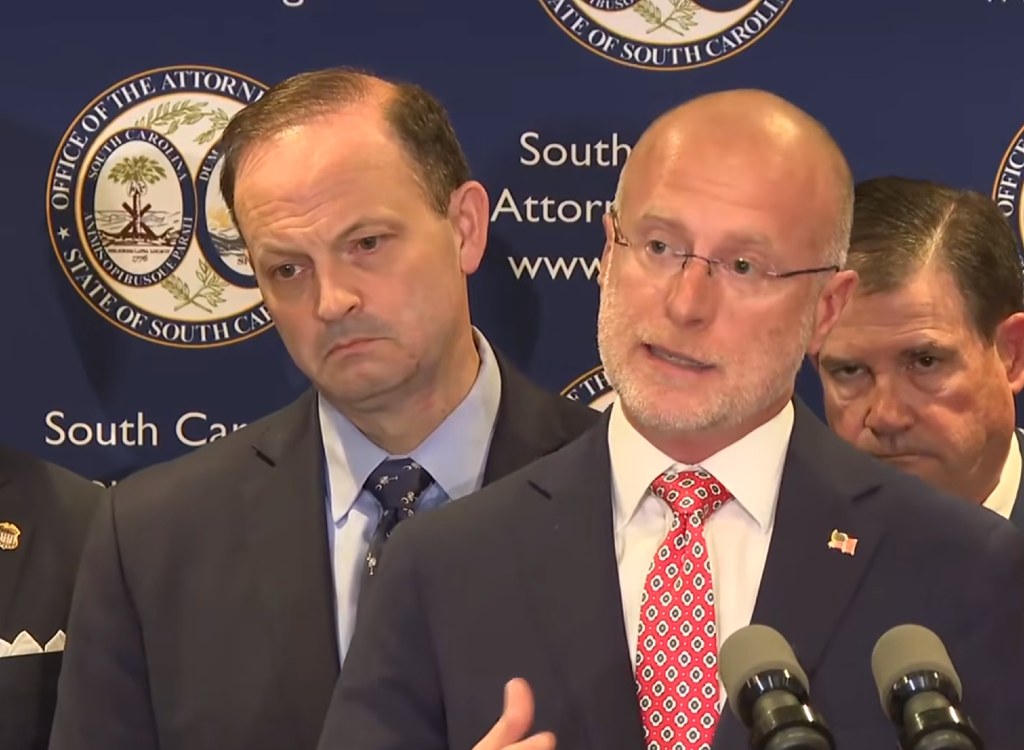
The human anchor for the campaign is Robert Johnson, a South Carolina corrections officer nearly killed at home in 2010 in a hit officials say a prisoner ordered over a contraband phone. After nearly three dozen surgeries, Johnson calls the devices "weapons of mass destruction." South Carolina drove the push — its tests at Broad River Correctional Institution showed phones losing service inside housing units and getting it back outside — and its corrections director wants jamming at all 21 state prisons once approvals land.
But the vote settles the legal question, not the practical ones. The first is technical: containment that works in a rural South Carolina test may behave differently in an urban jail ringed by apartments, and Commissioner Anna Gomez has warned the 911 risk can be reduced but not eliminated. The second is economic, and jamming can't touch it: inmates' rights advocates point out that the sky-high rates prisons charge for official calls are what push inmates toward smuggled phones in the first place. A dead zone treats the symptom; the pricing is the disease.
The third is political. Sen. Tom Cotton is pushing his Cellphone Jamming Reform Act to write the change into statute, so a future commission can't reverse it with a vote of its own. Until then, the 1934 ban is gone by regulation — and every prison system in America now has to decide whether switching on a jammer is worth the fight that comes with it.
— via FCC