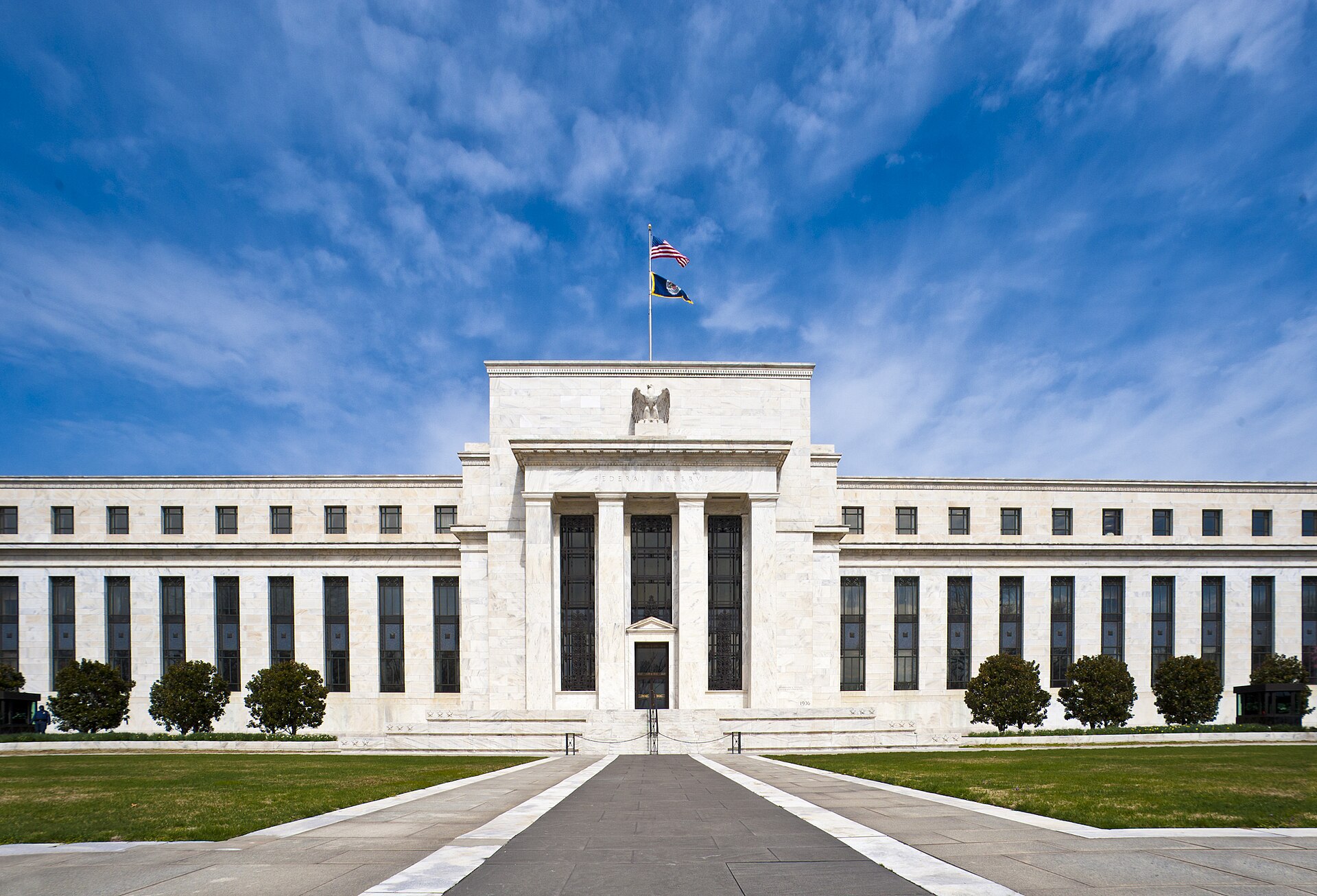
The Federal Reserve's October meeting was a hold on paper and a hike in waiting. The minutes, released Wednesday afternoon, show that "almost all" officials on the rate-setting committee judged that further rate increases "would likely be appropriate" — and a few who voted to keep rates steady at 3.75% to 4% called that decision "a close call," according to Reuters.
The October pause, in other words, was about timing, not direction. Only Governors Lisa Cook and Cleveland Fed President Beth Hammack dissented in favor of an immediate quarter-point hike, but the minutes reveal the camp pushing to move now was bigger than two. "Some participants favored an increase of 25 basis points," the record says, and "a couple" argued the Fed might need a half-point increase at the December meeting "if incoming inflation data were unfavorable." The data since then has not cooperated: core CPI has printed 0.3% for a third straight month. December 8–9 is now a question of 25 basis points or 50, not whether.
But the rate call isn't the story. The story is what the Fed put in writing about AI — on both sides of its ledger.
On inflation, many participants called AI "a material source of inflation risk." Demand from the buildout is "continuing to strain supply and raise prices of technology-related consumer goods," with the pressure "increasingly extending beyond industries directly affected by data center construction." The capex boom that has kept GDP afloat is now officially a reason to hike.
On financial stability, the language is blunter still. Fed staff flagged the rapid growth of debt tied to the AI buildout, warning that off-balance-sheet leasing commitments and "circular financing arrangements among AI-related firms could amplify losses" if returns on AI investment disappoint. "Almost all participants commented on risks" from that scenario, and "most observed that AI-related debt had grown rapidly and that much of this growth had taken place through complex and opaque financing structures," ZeroHedge's summary of the full minutes notes. High-yield bonds issued to fund data centers have already seen "an especially notable widening in spreads."
Put together, it's an uncomfortable combination: the Fed is about to tighten into an economy whose hottest sector is financed with debt the Fed itself describes as opaque, concentrated, and circular — while insisting, as the minutes do, that "monetary policy was not the appropriate tool to address financial stability risks directly."
For the AI industry, the message is that the free-money era's last defender has left the building. The same hyperscalers and neoclouds borrowing tens of billions for GPUs and data centers are about to pay more for every dollar of it — and the central bank now has their balance sheets on its watch list. Chair Kevin Warsh's December decision will tell the market how seriously the Fed takes its own warning.
— via Reuters