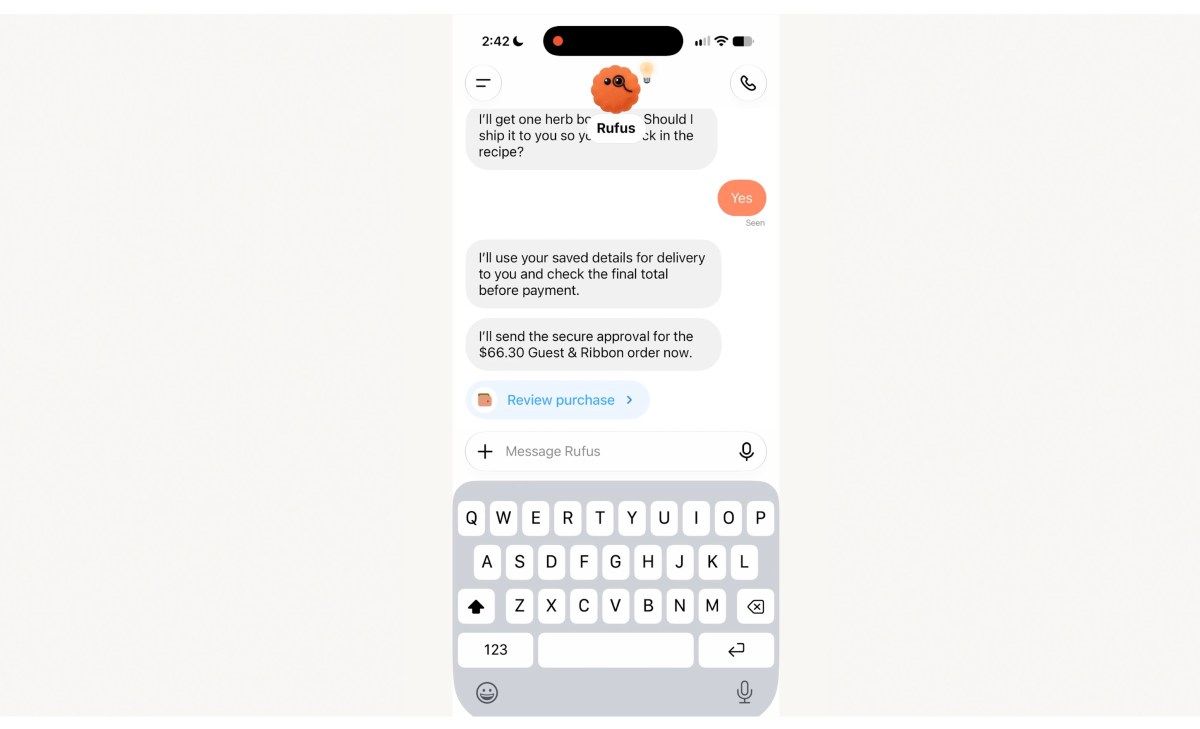
Your AI agent can already pick the product, compare prices, and fill the cart. On Friday, OpenAI gave it the last thing it was missing: a way to pay.
ChatGPT Wallet, launched Friday and reported by TechCrunch, lets OpenAI's always-on "dots" agents finish a purchase on your behalf. Add a card once; when your dot finds something to buy, you review the items, the total, and the card, then approve with Face ID or a fingerprint. The charge runs on a payment token — a substitute card number — so neither the dot nor the merchant sees your real card details. Rewards and dispute protections carry over, and OpenAI isn't taking a cut yet, according to CNBC.
For now the door is barely open: a limited number of U.S. ChatGPT Pro subscribers, 18 and up, with U.S.-issued Visa, Mastercard, or American Express cards — and no date for anyone else.
But the wallet isn't the story. The checkout is. OpenAI built Wallet with Amex, Mastercard, and Visa, and published a Commerce Partner Playbook telling retailers the agent will simply walk through their existing checkout — no new integration required. The catch, which OpenAI admits in the same breath: the bot-detection and fraud tools many stores run may block the purchase before it ever lands.
That's where the agent-commerce war is being fought. Amazon, the biggest retailer in the game, bans AI agents from its site and steers shoppers to its own assistant, Alexa. United restricted agent bookings the same week Wallet launched. eBay shut agents out days earlier. Walmart, meanwhile, rolled out the red carpet. Every store now has to pick a side: let someone else's agent spend your customers' money, or keep the checkout for humans and its own bot.
The habit is still small — DoorDash and Uber both report low volumes of agent-placed orders — but Meta's Muse passed 10 million users with AI-assisted shopping among its top activities. OpenAI is betting the friction, not the demand, is the problem: spending limits and pre-approved categories are coming, so a dot could eventually buy within rules you set and stop asking every time.
That's the shift: a wallet turns an agent from advisor into customer — one with your money, your address, and, soon, standing permission to spend it. The question isn't whether shoppers will let agents buy things. It's whether stores will let them in the door.
— via TechCrunch