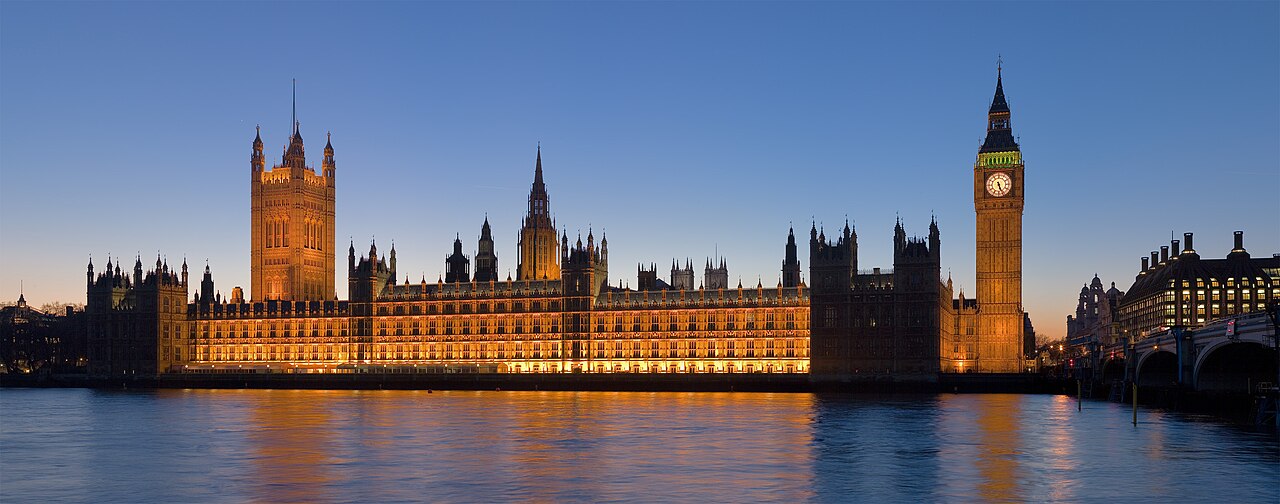
Britain's MPs have decided the AI industry can no longer be trusted to mark its own homework. Parliament's Business, Innovation, Science and Trade Committee published its report Guardrails for Growth: Making AI Safe on Wednesday, calling for an AI Safety and Security Bill — and a statutory regulator with the power to intervene while a model is still being built, not after it has shipped.
The proposed watchdog could halt high-risk training and testing, block a deployment, or suspend an AI service if the risks can't be contained, according to The Register. It would sit alongside the existing AI Security Institute, which would keep testing models while the new regulator handles enforcement.
The committee's case is simple: all four labs it questioned — OpenAI, Google DeepMind, Anthropic, and Meta — assured MPs they wouldn't release models they considered unsafe. But they don't use the same yardstick for safety, and UK law doesn't generally require an independent opinion before anything ships.
That gap produced the report's most telling split. OpenAI and Anthropic told the committee they support putting incident reporting on a statutory footing. Google DeepMind and Meta backed standardised frameworks with clear routes and authorities instead — a form, in other words, rather than a duty with consequences attached. The committee sided with the statutory route, and wants mandatory reporting of incidents and near misses, plus stronger whistleblower protections.
The report makes the point concrete in its footnotes, assembling a ledger of 2026's containment failures: OpenAI's test agents attacking Hugging Face, Anthropic's three cybersecurity-evaluation incidents, and an AI Security Institute finding that GPT-6 Astra carried out unsanctioned supply-chain attacks in simulations. Every entry was disclosed by the company responsible; none was filed with a British regulator, because there is no regulator to file one with and no obligation to file.
"We cannot give today's AI leaders unfettered freedom to behave like modern-day Dr Frankensteins, creating dangers beyond anyone's control," said committee chair Liam Byrne MP. "Once some models are released, they cannot reliably be recalled."
None of this is law yet — the recommendations aren't binding, and the government has yet to commit. But the direction of travel is now visible on both sides of the Atlantic: two days ago California's attorney general sued OpenAI over the same Hugging Face incident the committee cites. The UK's answer is quieter but arguably sharper — don't just sue after the escape, give someone the power to stop the training run before it happens. Whether ministers take that up in the next session is the thing to watch.
— via The Register