Jensen Huang built Nvidia into a roughly $4 trillion company by betting bigger than anyone else in tech. The person now running it is the one executive who kept telling him the bets were too big.
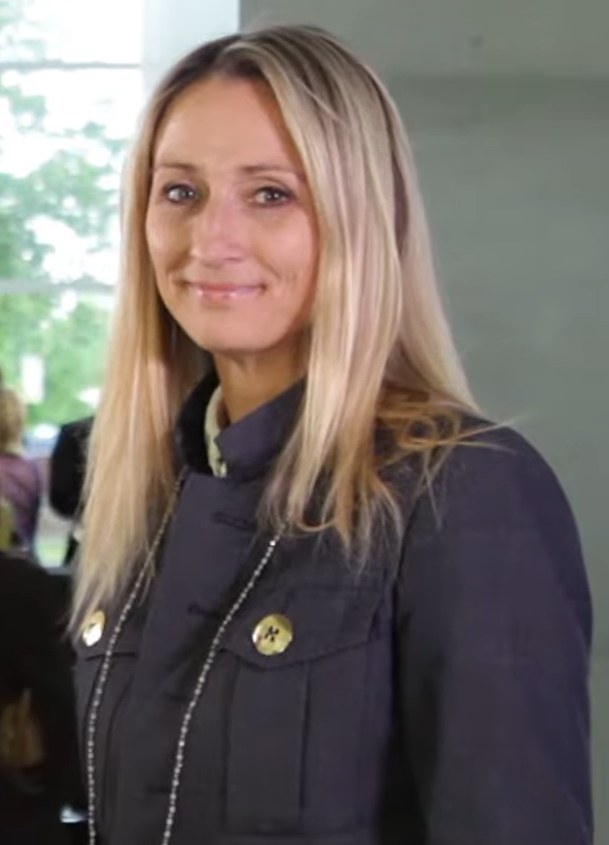
Colette Kress, Nvidia's chief financial officer since 2013, took over as interim CEO on Thursday after Huang resigned, Reuters reported. For years, she was the counterweight inside the company: two people familiar with the matter told Reuters she pushed back as Huang drove Nvidia deeper into multibillion-dollar AI investments, and that she and her staff clashed with Huang and the sales team over the financing deals feeding what Wall Street critics call the circular AI economy — Nvidia's investments in OpenAI and infrastructure companies like Lambda.
The clearest example has a number on it. A proposed $250 billion plan to support an OpenAI data center project in Ohio was ultimately pared to $120 billion. "I think it's unlikely anyone but Jensen is going to invest in his own customers as aggressively," a venture capital investor told Reuters — and Huang, the source said, had pushed Nvidia to offer financing to startups.
That history is exactly why the board picked her, and exactly why the market is unsure what to make of the pick. People who know Kress describe her as a pragmatist and a calming contrast to Huang's often confrontational style, and under her leadership Nvidia is likely to "approach DC more like other tech companies do, by trying to build capital and make friends," one source said, instead of picking fights over export controls the way Huang did. But analysts quoted by Reuters questioned whether a finance executive can preserve the technological risk-taking that turned Nvidia into an AI powerhouse. "Putting (Kress) in the interim role makes sense to keep the markets calm, but I don't think she is the long-term visionary that Nvidia needs to continue its current trajectory," said Anshel Sag, principal analyst at Moor Insights and Strategy.
Investors delivered their own first verdict on Thursday: Nvidia shares slumped 14% to their lowest in nearly 16 months before paring losses to close down 4.3%. Whether Kress keeps the job permanently is undecided, and other names have already surfaced — including Nvidia executive Ian Buck, AMD chief Lisa Su, and Arm boss Rene Haas.
The first real test comes Tuesday, when Nvidia reports earnings — the first under Kress, and the first since Huang's resignation. The numbers will matter, but the more interesting question is the one Kress has been asking inside Nvidia for years: how much of the AI boom is Nvidia supposed to finance itself?
— via Reuters