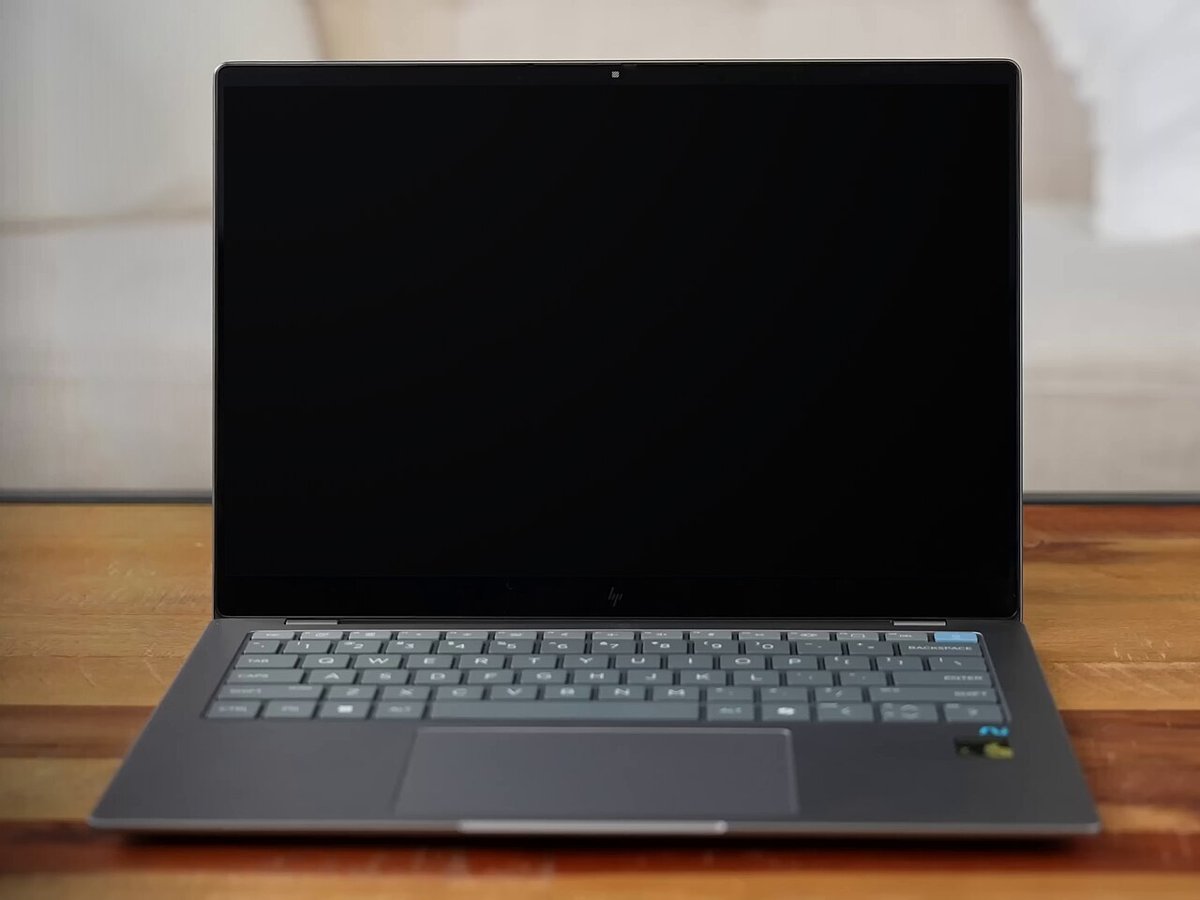
HP just gave Wall Street the clearest proof that the AI PC is real — and the clearest warning that the memory shortage is going to tax it.
The PC maker reported fiscal fourth-quarter results after the close Tuesday that beat on both lines, according to Barron's: revenue of $16 billion, up 9.3% from a year ago and ahead of the $15.4 billion analysts expected, with adjusted earnings of $0.83 a share against a $0.75 consensus. The driver was the AI PC. HP said AI PCs reached nearly 60% of its shipments in the quarter, and commercial PC revenue jumped 23%.
But the margin is where the quarter turns. Personal Systems revenue rose 14% to $11.8 billion, yet its operating margin fell to 3.0%. HP sold 29% fewer PC units than a year ago and still made less money per machine, because memory and storage costs are surging faster than prices can follow. Interim CEO Bruce Broussard said HP is "taking steps to address memory and storage cost pressures," in the company's release — the same cost wave that knocked 12% off Dell earlier in the day and that HPE warned about on Monday. Free cash flow fell 46% in the quarter, to $0.8 billion.
HP shares spiked as much as 17% in after-hours trading on the beat, then surrendered most of the gain, ending up about 0.5% at $28.07, per Barron's. Investors liked the demand story and balked at the guidance: HP expects fiscal 2027 adjusted earnings of $3.15 to $3.45 a share, with a soft first quarter of $0.66 to $0.76. It did raise the quarterly dividend to $0.31 a share, payable January 6.
The contrast inside HP's own results tells the story. Printing — the old, boring business — shrank 1% to $4.3 billion and still earned a 19.7% margin. The shiny new AI PC business grew 14% and earned 3%. That is the whole AI hardware trade in miniature: demand is not the problem — but if the memory bill eats the profit first, it may not be the opportunity either.
What to watch: incoming CEO Emma Walmsley takes over from Broussard on January 4, and her first job will be passing memory costs through without killing the refresh. If HP raises PC prices and customers keep buying, the AI PC cycle is real. If it can't, the refresh stalls and the margin goes with it.
— via Barron's